
Introduction
The first impression is formed in a very short moment, and it can be enough to build or break many opportunities in personal and professional relationships. Very often, it is not about what we say, but about how we present ourselves through body language. Movements, facial expressions, posture, and even eye contact leave a deeper impression than the words themselves. In this article, we review in detail the concept of body language, its types, how to read it, and its significant effect on the first impression, along with common mistakes to avoid.What Is Body Language?
Body language is a set of non-verbal signals and gestures that a person gives off while communicating with others. It includes facial expressions, hand movements, the way one stands or sits, tone of voice, and eye contact. According to studies, more than 70% of the messages we exchange with others are conveyed through these signals rather than through spoken words. Body language is a fundamental tool for expressing thoughts and feelings, whether we are aware of it or not. You may say "I'm fine", yet your face, your tone of voice, and your body may say the opposite!The Importance of Body Language in Communication
1. Clarifying True Meanings
Very often, words alone are not enough. Body language adds depth and sincerity to what we say. When you smile genuinely as you say "hello", your message arrives stronger and warmer.2. Building Trust and Credibility
A confident body reflects a strong and balanced personality. Good eye contact, an upright stance, and balanced facial expressions all signal confidence and credibility.3. Influence and Persuasion
When you use your body language well, you can persuade others faster and more effectively. Using appropriate gestures while speaking draws attention and makes your talk more lively and convincing.4. Understanding Others' Feelings
Reading body language helps you understand what others feel, even when they do not speak. You can tell whether a person is comfortable, tense, interested, or uninterested from their movements and gaze alone.Types of Body Language and Their Interpretation
1. Facial Expressions
The face is considered a window to emotions.- A genuine smile: reaches the eyes and indicates warmth.
- A frown: may indicate tension or displeasure.
- Raised eyebrows: often indicate surprise or astonishment.
2. Eye Contact
- Looking directly into the eyes while speaking indicates confidence and interest.
- Avoiding eye contact can be interpreted as shyness, disrespect, or even dishonesty.
3. Hand Gestures
- Using your hands while speaking reflects enthusiasm and engagement with the topic.
- Clasping the hands or putting them behind the back may be interpreted as reserve or tension.
4. Posture
- Standing or sitting upright indicates confidence.
- Leaning forward while talking suggests interest, while leaning back may be interpreted as boredom or hesitation.
5. Tone of Voice
- A steady, clear voice reflects control and confidence.
- A trembling or low voice may indicate tension or low confidence.
How Do We Read Body Language?
To understand others correctly, you need to pay attention to subtle details and take context into account.1. Pay Attention to Context
The same movement may mean something different depending on the circumstances. For example, rubbing the eyes may mean tiredness or boredom, and it may also indicate a wish not to see the truth.2. Look for Consistency
Does the body language match the words? When someone says "I'm comfortable" while shaking their foot or looking away, they may in fact be feeling uncomfortable.3. Watch for Repetition
Some movements appear repeatedly in certain people in certain situations, and can be an indicator of a behavioral pattern.4. Be Aware of Cultural Differences
Some signals may be acceptable in one culture and rejected in another. So it is important to take cultural background into account when reading body language.Common Body Language Mistakes
1. Crossing the Arms
It may indicate rejection or being closed off, especially during discussions or meetings.2. Avoiding Eye Contact
It is interpreted as a lack of confidence, dishonesty, or lack of interest in the other person.3. Exaggerated Movements
Excessive movement may show tension, or distract attention from the main message.4. Slouching
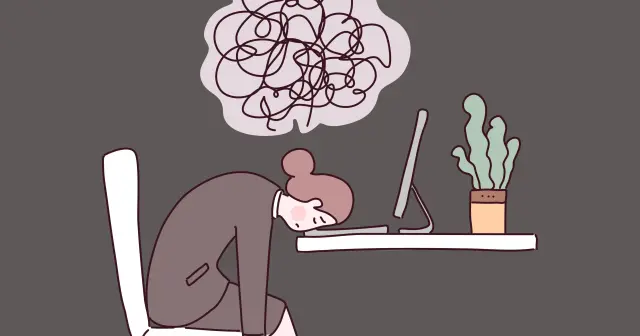
It suggests a lack of seriousness or interest, and may give a negative impression in work environments.5. Constantly Touching the Face
It may be an indicator of anxiety or discomfort, and is sometimes associated with lying.The Effect of Body Language on the First Impression
The first impression forms within just the first 7 to 10 seconds of a meeting. In these brief moments, the human mind picks up many visual and physical signals that form the initial judgment of a person. 💡 Examples of body language's effect on the first impression:- Entering a place with confidence, with an upright stance and a direct gaze, gives the impression of a strong and comfortable personality.
- A firm handshake with a calm smile opens the way to a positive conversation.
- By contrast, walking hesitantly or avoiding eye contact creates an impression of weakness or insecurity.