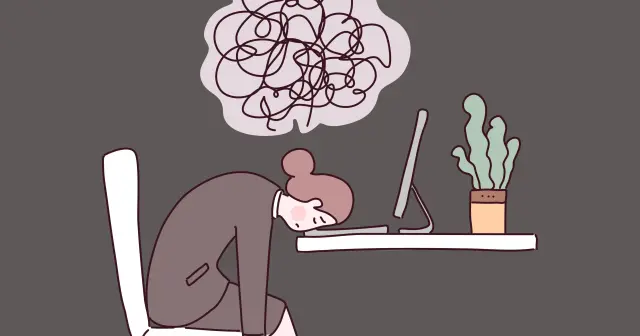

Inner contentment is the deep feeling of psychological peace and acceptance of who you are and what you have, free from comparisons and the noise of expectations. In a world full of daily pressure and constant competition, many people look for this kind of tranquility, which does not come from outside but springs from within. Reaching inner contentment is not merely a psychological goal; it is a key to achieving balance and the beginning of a calmer, more confident life. In this article, we will take you on a journey to understand the meaning of inner contentment, when a person feels it, and how it can be cultivated, as well as how it differs from patience and what its different types are.
What Is Inner Contentment?
Inner contentment is a psychological state in which a person feels acceptance and tranquility toward themselves and their life, without this meaning giving up ambition or the desire to progress. It is the sense that what you have today is enough, and that you are not in constant conflict with yourself or with the circumstances around you. This feeling is not tied to achieving perfection or reaching every goal; it is tied more to making peace with reality and dealing with it with awareness and balance. Contentment does not mean surrender. It is a kind of psychological peace that allows a person to move toward their goals steadily, without feeling pressure or frustration at every step. Inner contentment can be compared to the solid ground you stand on with confidence as you prepare to leap toward a better future. It is worth noting that contentment does not come suddenly. It is the result of an inner balance between what we want and what we can achieve, between what we dream of and what we actually live. The more aware a person is of themselves and their values, the greater their ability to reach this deep contentment.When Does a Person Feel Inner Contentment?
A person feels inner contentment when there is harmony between their expectations of life and what they actually live. It is not necessary to have everything or to achieve all your dreams, but when you stop comparing yourself with others and begin to appreciate what you have, the feeling of contentment starts to appear gradually. Contentment often appears in moments when a person feels they have done what was required of them and worked as hard as they could, whether or not they succeeded. It also appears when they succeed in accepting what cannot be changed and handle well what is within their control. Among the most prominent moments in which contentment appears:- After making a decision that comes from inner values, not from outside pressure.
- When a person is honest with themselves, without pretense or flattery.
- When completing a task that feels like a genuine expression of them, even if it is not perfect.
- In moments of reflection and quiet, when they realize they do not need to prove anything to anyone.
Steps to Reach Inner Contentment
Reaching inner contentment does not happen suddenly. It is a journey that begins with awareness and grows through daily practice. It is not a goal you reach and then finish, but a mental and psychological state that renews itself whenever you decide to live at peace with yourself and accept your reality. Below are essential steps that help you build this contentment:1. Get to know yourself honestly
Start by asking yourself: Who am I? What really matters to me? What wears me out? Knowing yourself deeply helps you identify what you truly want, rather than chasing goals that do not express you.2. Stop comparing yourself with others
Constant comparison drains your energy and makes you feel inadequate, even when you are accomplishing things. Remember that each person walks a different path, and their circumstances are not like yours. Compare yourself only with your previous self.3. Appreciate what you have now
Gratitude is an enormous psychological strength. When you focus on what you have rather than what you lack, your thinking shifts from a sense of deprivation to a sense of sufficiency, and this is one of the most important keys to contentment.4. Practice acceptance with awareness
Not everything that happens in life can be changed. Accepting what you cannot change strengthens your inner stability and reduces stress. Acceptance does not mean being content with what is painful; it means dealing with it without a resistance that makes it more intense. To learn more about managing stress, read our article on how to deal with stress and anxiety5. Adjust your expectations of yourself and of life
Sometimes the cause of discontent is unrealistic expectations. Balancing ambition with reality helps you reduce frustration and increases your sense of real progress.6. Develop a compassionate view of yourself
Talk to yourself as you would to someone you love, with kindness and understanding. Self-punishment does not generate contentment; it pushes you away from it. We all make mistakes and learn, so do not let a mistake become a lasting cause of anxiety or self-dislike.7. Set aside time for quiet and reflection
In moments of silence your vision becomes clear, and you can review your day and your thoughts away from the noise. This helps you restore balance and strengthen your connection with yourself.8. Work toward goals that express your values
When you work on something you love or something that serves what you believe in, you feel a real connection to what you are doing. This connection creates an inner tranquility that lets you feel contentment even in the presence of challenges.What Is the Difference Between Inner Contentment and Patience?
Inner contentment and patience are often confused, because both relate to dealing with difficult circumstances or things we do not want. But there is a fundamental difference between them in motivation and psychological stance:Patience: strength in facing pain
Patience is a person's ability to endure what they dislike, whether harm, delay in achievement, or difficult circumstances, without giving up or collapsing. It is a kind of temporary composure based on endurance, and it is often accompanied by hope for change or for the pain to end.Contentment: acceptance that comes from inner peace
Contentment goes deeper than mere endurance. It is accepting what happens even when it is not ideal, without bitterness or inner resistance. In contentment, one does not wait for what one dislikes to disappear; it is expressed in dealing with it calmly and with awareness. A content person does not so much wish for the pain to go away as seek to understand it and deal with it in a balanced way.An illustrative example:
A person loses an important job opportunity:- The patient person: endures the pain and waits for the next opportunity.
- The content person: accepts what happened. Yes, they feel pain, but they do not sink into regret or anger; they begin calmly to think of realistic alternatives.