What Is Excessive Irritability?
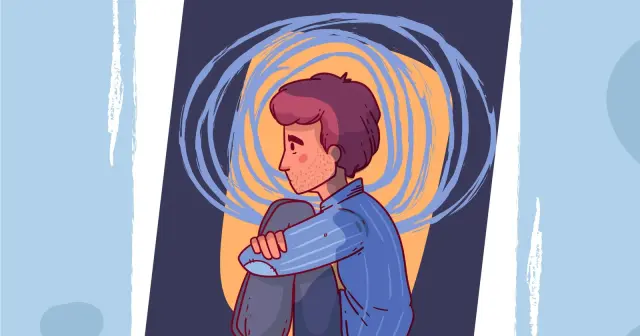
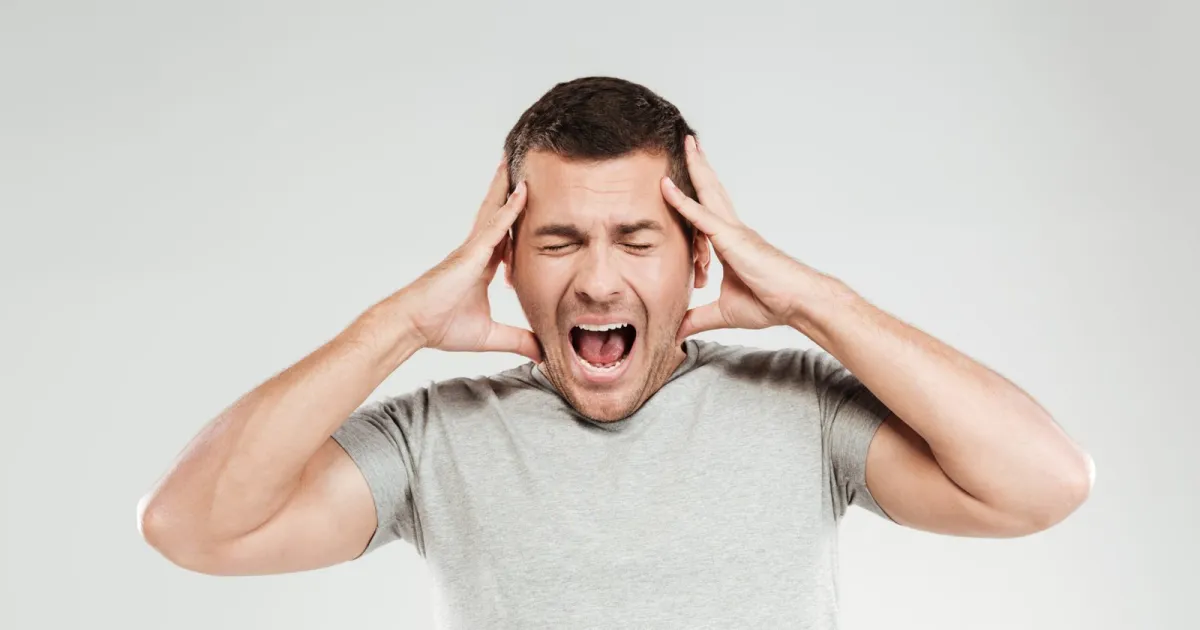
Excessive irritability is not merely a "temperament" or a passing behavior. It is a psychological state that shows up in behavior, emotions and thinking. It is an exaggerated emotional reaction to situations that do not call for that level of tension or anger. The irritable person seems permanently on edge, loses their temper quickly, and struggles to control their reactions. It is important to distinguish between natural irritability, an instinctive reaction, and excessive irritability, which begins to harm a person's relationships, mental health and social environment.The Difference Between Natural and Excessive (Pathological) Irritability
Irritability is a natural part of human emotion, but there is a big difference between a temporary, natural reaction and a chronic, harmful state.✅ Natural irritability:
It is a temporary and justified reaction to a stressful or embarrassing situation. It fades quickly once the situation is over, without leaving a negative effect on relationships or performance. It is perfectly normal for a person to get angry or tense in certain situations, especially when they sense injustice or a threat, or when their dignity or convictions are touched. In fact, irritability is sometimes healthy and necessary, because it helps a person express their feelings and set clear boundaries with others.✅ Excessive (pathological) irritability:
A continuous or recurring state of anger and tension beyond what is reasonable, leading to social and psychological problems and getting in the way of daily life. Irritability becomes a daily habit and begins to appear in situations that do not warrant this degree of emotion. This is when we start calling it "excessive irritability". The person flares up over trivial reasons, and any simple conversation turns into a major dispute. The danger is that pathological irritability may be merely a symptom of a deeper psychological condition, such as:- Generalized anxiety disorder
- Depression
- Personality disorders
What Are the Traits of an Irritable Personality?
An irritable person often shows a set of recurring traits, and these traits affect daily life and relationships:
1. Quick, Persistent Tension
An irritable person is quickly affected by any negative or stressful situation, even a minor one. They remain in a state of continuous worry, which leaves them unable to relax or feel at ease for long periods.2. Difficulty with Self-Control
When angry or tense, they struggle to control their actions or words. They may shout, hurt those around them with their speech, or act on impulse without considering the consequences.3. Weak Communication Skills
An irritable person lacks the ability to express feelings in a healthy way and is often misunderstood by others. They may attack instead of explaining their point of view, which creates problems in their relationships.4. Reacting Quickly Even to Small Things
Even ordinary daily situations can provoke their anger, such as traffic, someone being late, or a simple comment. This heightened sensitivity keeps them in constant conflict with their surroundings.5. Hasty Decisions
Because of momentary emotion, they make decisions without thinking through the consequences. They may quit a job, end a relationship, or react in an exaggerated way they later regret.6. Regret After the Outburst, but No Change in Behavior
An irritable person often feels regret after an emotional episode, apologizes or feels guilty, but does not learn from the experience or work on changing their behavior, so the same mistakes repeat.What Are the Causes of Excessive Irritability?
Irritability does not arise from nothing. It results from overlapping psychological, educational, social and physical factors:🔸 First: Psychological Causes
• Depression and Generalized Anxiety
People with these disorders live in a state of constant tension, which makes them quick to anger and less patient in handling pressure.• Borderline or Narcissistic Personality Disorder
Some personality disorders make a person behave with intense emotion and unable to tolerate criticism or rejection, so their reaction turns into irritability or sharp anger.• Accumulated Life and Work Pressures
Continuous pressure at work, in the family or in studies can strain the nervous system and bring a person closer to exploding over the smallest things.🔸 Second: Educational Causes
• Upbringing That Is Too Strict or Too Permissive
When a child is raised in a harsh environment or, on the contrary, in a permissive one without limits, they do not learn how to control their emotions or deal with rejection and frustration.• Lack of Emotional Fulfillment in Childhood
Children who did not receive emotional support and containment when young grow up with an inner void that makes them more prone to irritability and unjustified emotional reactions.• A Child Not Learning to Express Feelings in Healthy Ways
If a child is not given the chance to learn emotional release through words, art or sport, for example, they will grow up releasing their feelings only through anger and shouting.🔸 Third: Social Causes
• Marital or Family Problems
Constant conflict in the family creates an environment full of tension, which affects an individual's behavior and increases their irritability.• Weak Social Support
A person who feels no one understands or supports them is more likely to collapse under even a small pressure, because loneliness increases inner tension.• Isolation or Feeling Rejected by One's Surroundings
When people feel unaccepted or socially rejected, suppressed anger builds up inside them and appears as excessive irritability.🔸 Fourth: Biological and Physical Causes
• Lack of Sleep
Sleep deprivation directly affects mood, making a person more tense and sharper in their interactions with others.• Poor Nutrition or Certain Vitamin Deficiencies
Some vitamins and minerals (such as magnesium and vitamin B) play a role in regulating mood, and a deficiency may disturb the nervous system.• Thyroid Disease or Hormonal Disorders
Hormonal changes, especially in the thyroid gland, may affect mood and increase irritability and emotional reactivity for no clear reason.What Are the Symptoms of Excessive Irritability?
1. Sudden, Recurrent Anger Outbursts
A person may explode in anger without warning and find it hard to calm down afterward, which affects their relationships and psychological stability.2. Heart Palpitations or Sweaty Hands During Emotional Episodes
The body reacts to nervous tension with clear physical symptoms, such as a racing heart, trembling or sweating, which leaves the person feeling out of control.3. Chronic Headaches or Neck and Shoulder Pain
Irritability and tension cause muscle tightness, especially in the head and neck, leading to persistent pain or severe headaches.4. Sleep Disturbances
Continuous anxiety and anger prevent deep, restful sleep, which increases irritability the next day, and the cycle goes on.5. Strained Relationships with Others
The behavior of an irritable person often leads to problems with family, friends or colleagues because of misunderstandings or exaggerated reactions.6. Poor Concentration and Attention
A mind occupied with emotions cannot focus or complete tasks efficiently, which affects academic or professional performance.⚠️ Excessive Irritability and Its Psychological, Educational and Social Harms
Excessive irritability does not affect the individual alone. It leaves deep effects that extend to everyone around them, at the psychological, educational and social levels. Continuous tension and emotional reactivity damage the quality of relationships within the family and in the workplace, and even the upbringing and psychological stability of children. Here the important role of counseling centers becomes clear, such as Dr. Naser Alfuraih's Center, in providing scientific and professional support to help individuals and families understand these effects and handle them with well-considered approaches that strengthen psychological balance and improve quality of life.Psychologically:
- Chronic irritability strains the nervous system and increases the likelihood of depression or generalized anxiety.
- It leads to lower self-confidence as a result of constant regret after emotional outbursts.
- It permanently increases nervous stress and inner tension.
Educationally:
- Within families, the effect on children is very great. A child who lives in an environment full of irritability may learn the same behavior and repeat it later.
- Weak dialogue within the family leads to a distorted relationship between children and parents, and breeds a kind of stubbornness or withdrawal.
- It weakens children's ability to express their feelings in a healthy way.
Socially:
- An irritable person loses important relationships in their life because of their reactions.
- Professional relationships are affected, and working within a team becomes difficult.
- The person may gradually become someone who is avoided or unwelcome socially.
Is Excessive Irritability a Mental Illness?
Excessive irritability is not a mental illness in itself, but it is often a symptom of deeper disorders. In some cases, excessive irritability may accompany disorders such as:- Borderline personality disorder
- Generalized anxiety
- Depression
- Post-traumatic stress disorder (PTSD)
🩺 How Is Excessive Irritability Treated?
At our center, we believe treatment is not limited to a prescription or a single therapy session. It is an integrated approach combining psychological, educational and social treatment. Here are the main approaches:1. Psychological Treatment:
- Cognitive behavioral therapy (CBT) to help the person identify and change the negative thoughts that cause irritability.
- Anger management training and handling situations with greater awareness and control.
- Treatment of old psychological trauma where there are emotional roots linked to the reactions.
2. Educational Treatment:
- Training parents in positive parenting methods free of irritability and tension.
- Workshops for children to understand their feelings and express them in healthy ways.
- Educational counseling for couples to ease the intensity of daily conflicts.
3. Social Treatment:
- Strengthening effective communication skills.
- Building healthy, supportive relationships.
- Working on reintegrating the person into their family or professional environment.
How Can Excessive Irritability Be Prevented?
Preventing excessive irritability starts from within, with a person's awareness of themselves, their skills, and the way they handle daily pressure. We do not need to wait for the problem before acting. There are simple steps that can reduce the likelihood of it developing or worsening:1. Follow a Healthy Lifestyle
- Make sure you get enough sleep (7 to 8 hours).
- Exercise regularly, even if it is only a daily walk.
- Reduce stimulants (coffee, tea, sugars).
2. Develop Emotional Intelligence
Learn to express your feelings calmly. Ask yourself before any reaction: "Does this situation deserve all this emotion?"3. Practice Relaxation Techniques
- Deep breathing exercises.
- Meditation or progressive muscle relaxation.
- Daily writing to release feelings instead of suppressing them or exploding.
4. Build Positive Relationships
Connecting with supportive, understanding people has an enormous positive effect on mood regulation.5. Stay Away from Toxic Environments
Limit your contact with people who constantly provoke you or pass negative energy to you.Effective Ways to Overcome Excessive Irritability
Some helpful approaches for controlling irritability: ✔️ Restructuring your thinking. Try to change the way you interpret situations. Not every action by others carries bad intent or aims to provoke you or belittle you. Sometimes things are simpler than you imagine. ✔️ Delaying your response. Train yourself to postpone your reactions. Tell yourself: "I will respond later, when I have calmed down." Silence in a moment of anger is often stronger and wiser than any word spoken. ✔️ Practicing "conscious ignoring". Not everything that happens deserves a reaction from you. In some situations, ignoring does not mean weakness. It is a skill that takes awareness and practice. ✔️ Setting aside time for yourself. Give yourself time each day to escape pressure and do something you love that gives you psychological comfort, such as reading, listening to music, exercising, or even a short meditation session.When Should You See a Mental Health Specialist?
Do not wait until things reach a breaking point... There are clear signs that you need to speak with a mental health specialist:- If irritability begins to harm your daily relationships or your work performance.
- If you feel you have lost control of yourself and can no longer manage your emotions.
- If you become annoyed by everything, even the smallest details.
- If you notice your children are being affected by your irritability or imitating your emotional behavior.
Conclusion
If you find it hard to control your irritability, or you notice that someone close to you is struggling with excessive tension and emotional reactivity, do not hesitate! 🎯 At the Dr. Naser Alfuraih Center for Educational, Psychological and Social Counseling, we offer:- Individual and group counseling sessions
- Educational and family support programs
- Integrated treatment plans supervised by specialists
- Complete privacy and a safe, professional atmosphere
Note: This content is for awareness and education only and is not a substitute for diagnosis or treatment by a licensed physician or mental health specialist. If symptoms are severe or persistent, seek specialist help promptly.