
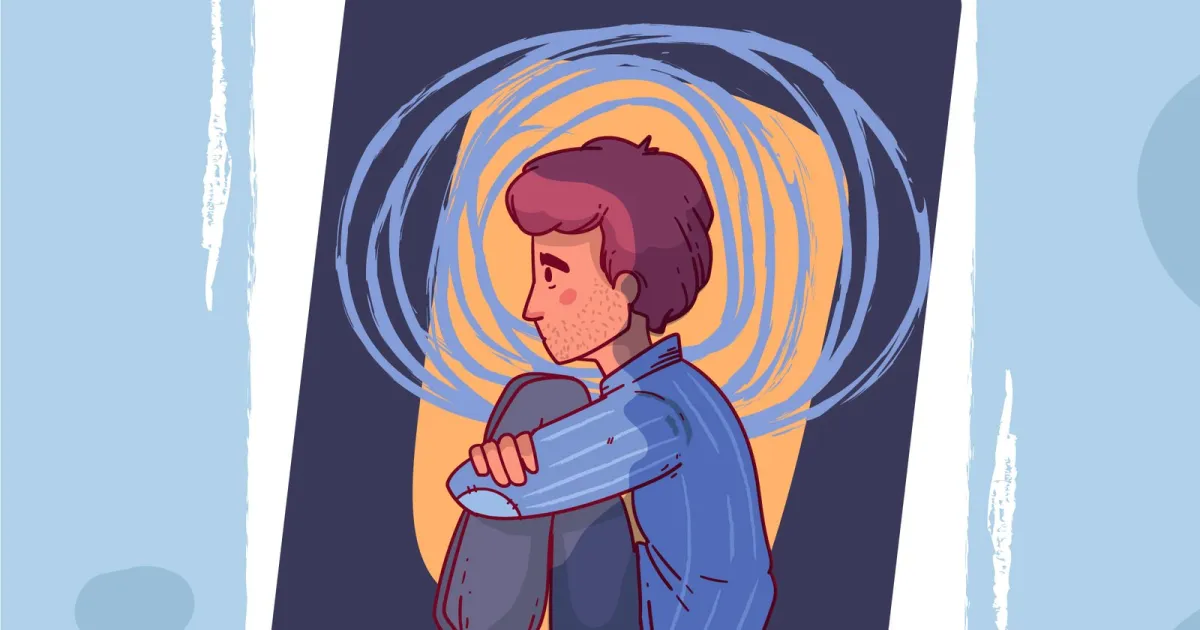
Post-traumatic stress disorder (PTSD) is a psychological condition that appears after exposure to a painful or life-threatening experience, whether a sudden accident, the loss of a loved one, an assault, or even witnessing a violent event without being directly involved in it.
Although many people associate this disorder with soldiers or victims of war, the truth is that anyone, at any stage of life, can develop it after a traumatic experience that leaves a deep psychological mark.
In this article, we offer a comprehensive guide to understanding post-traumatic stress disorder in all its aspects, from its causes and types to its symptoms, diagnosis and treatment, as well as tips for living with this condition.
Not everyone who experiences a traumatic event develops PTSD, but some factors make a person more vulnerable, such as:
What Is Post-Traumatic Stress Disorder (PTSD)?
It is a long-term psychological disorder that appears after exposure to an event so impactful that the person cannot easily move past it. It is not limited to temporary sadness or stress; it is a complex and persistent interaction between emotions, memories and the body, making the person feel as if the event is still actually happening long after it has passed. This can lead to sleep problems, excessive fear, constant tension, and sometimes depression or a tendency toward isolation. The important distinction here is that PTSD does not simply mean passing stress or fear after a trauma; it is a chronic and complex response that affects perception, emotions, behaviour and even the body.What Are the Symptoms of Post-Traumatic Stress Disorder (PTSD)?
The symptoms of PTSD fall into four main categories, which vary according to the nature and severity of the event and the individual's capacity to adapt. We will explain each category in detail, showing how the person experiences it and its impact:1. Re-experiencing the Event
At this stage, the person relives the event as if it were happening again, even long after it occurred; it is more than just a memory.- Recurrent intrusive memories: memories of the painful event that flood in suddenly and unwanted.
- Disturbing nightmares: frightening dreams linked to the incident that lead to insomnia and fear of sleep.
- Flashbacks: the person feels as though the event is happening before them again, visually, aurally or even physically.
- Intense psychological or physical reactions when exposed to triggers that recall the event (such as a sound, a smell or a place).
2. Avoidance
The brain tries to protect the self from feeling pain, so the person begins to avoid anything that brings back the painful memory. This shows up as:- Avoiding places, people or activities associated with the traumatic event.
- Refusing to talk or think about it: the person feels that talking about the event increases their pain.
- Attempts to forget the experience: which may fail and increase tension.
- Emotional detachment: the person becomes unable to express joy, sadness or love.
3. Negative Changes in Thinking and Mood
These symptoms greatly affect how the person sees themselves and the world around them:- Excessive guilt or shame, even with no logical reason.
- A negative view of the self: such as feeling helpless or worthless.
- Loss of interest in usual activities, even those that were once enjoyable.
- Social isolation and a feeling of being disconnected from others.
- Loss of hope for the future: the person sees the future as dark and does not feel things can improve.
4. Hyperarousal
- Sleep problems: such as difficulty falling asleep or waking suddenly.
- Strong reactions: such as sudden anger or defensive behaviour in response to minor situations.
- Constant tension: the person does not feel at ease even in a safe environment.
- Difficulty concentrating: thinking is clouded by anxiety and mental preoccupation.
- Sudden outbursts of anger or violent reactions to minor situations.
Types of PTSD
It is important to know that PTSD does not take a single form. There are different types, and each requires its own understanding and a suitable treatment plan:1. Acute PTSD
- Symptoms appear within days or a few weeks of the event.
- They last less than three months.
- The response to treatment is often positive, especially when there is strong social support.
2. Chronic PTSD
- Symptoms continue for more than three months.
- The person may try to ignore the symptoms or may not receive early treatment.
- It significantly affects work, relationships and daily life.
- It requires long-term psychotherapy, and sometimes medication.
3. Delayed-Onset PTSD
- Symptoms do not appear immediately after the event, but may begin months or even years later.
- It often occurs after attempts to suppress the trauma.
- It comes as a surprise to the person and those around them because of its late onset.
- It needs specialised therapy sessions to understand and address the roots of the trauma.
4. Complex PTSD
- It arises from prolonged and repeated exposure to trauma, especially during childhood or in toxic relationships.
- It is not a single painful event but an ongoing series of abuse (psychological or physical).
- Symptoms include:
- It is among the hardest types to treat and requires a comprehensive and varied treatment plan.
Causes of Post-Traumatic Stress Disorder
Psychological trauma can take different forms, but the common factor is that the person is exposed to an experience that exceeds their natural capacity to cope. The main causes include:- Sudden accidents: such as car accidents, fires or sudden collapses.
- Violent experiences: such as physical or sexual assault, or kidnapping.
- The sudden death of a loved one, especially in painful or unexpected circumstances.
- War or natural disasters: such as earthquakes, floods or forced displacement.
- Bullying, domestic violence or violence at school: especially in childhood.
 Who Is Most at Risk?
Not everyone who experiences a traumatic event develops PTSD, but some factors make a person more vulnerable, such as:
- A difficult childhood: especially exposure to abuse or neglect.
- Lack of family or social support after the event.
- Previous psychological conditions such as anxiety or depression.
- Repeated exposure to trauma: such as those working in rescue services or field journalism.
- Genetic factors: a family history of anxiety disorders or depression.
Preventing Post-Traumatic Stress Disorder
- Express your feelings right after the event and do not suppress them.
- Speak with a mental health professional as soon as possible.
- Strengthen your social support network (friends, family, support groups).
- Practise outlets for release such as sport or art.
- Avoid isolation.
Complications of Post-Traumatic Stress Disorder
If PTSD is not handled professionally, it can lead to psychological and physical complications that affect every aspect of life, including:- Severe depression: especially with feelings of guilt or shame.
- Addiction: to alcohol, sedatives or risky behaviours as a way to escape pain.
- Chronic sleep disorders: which affect concentration and mood.
- Social isolation: and loss of relationships or work.
- Borderline personality disorder or generalised anxiety.
Diagnosing Post-Traumatic Stress Disorder
Diagnosis takes place through comprehensive assessment sessions of the person's psychological state, aiming to:- Confirm that the symptoms match the DSM-5 criteria (the main reference for diagnosing mental disorders).
- Rule out other physical or psychological causes (such as depression or generalised anxiety disorder).
- Include a full understanding of the personal and social context.
Stages of Psychological Trauma
The core task of psychotherapy here is to help the person move through each stage without getting stuck in it.- Denial: not acknowledging that a problem exists
- Anger: intense feelings toward oneself or others
- Deep sadness: a sense of helplessness and collapse
- Acceptance: acknowledging the problem, which is the beginning of recovery.
- Rebuilding: developing new coping tools and restoring balance
Psychotherapy for Post-Traumatic Stress Disorder (PTSD)
Psychotherapy is considered the cornerstone of treating post-traumatic stress disorder, and the most effective means of restoring psychological balance and dealing with trauma in a healthy way. Treatment varies from person to person, depending on the severity of symptoms, the type of trauma and how the person responds to therapy. In general, however, there are several internationally recognised approaches proven effective in treating PTSD, which are also used at Dr. Naser Alfuraih's Centre within an integrated, personalised plan for each client.1. Cognitive Behavioural Therapy (CBT)
This is the best-known type of therapy used with people with PTSD. It focuses on the relationship between thoughts, feelings and behaviours, and helps the person to:- Identify negative thoughts linked to the traumatic event
- Understand how those thoughts affect feelings and behaviour
- Replace them with realistic and positive thoughts that help reduce anxiety and fear
2. Exposure Therapy
It is used when the person suffers from recurrent, painful memories or excessive avoidance of anything that reminds them of the event. Here the therapy helps the client to:- Retrain the brain to deal with painful memories
- Reduce sensitivity to the triggers linked to the trauma
- Break the cycle of fear and avoidance
3. EMDR (Eye Movement Desensitisation and Reprocessing)
One of the newest and most powerful types of therapy in recent years. It relies on stimulating the brain in a particular way while recalling painful memories, which helps to "reprogramme" the feelings linked to them.- It helps process traumatic memories in a non-traditional way
- It has shown considerable success in cases of severe trauma
4. Family Therapy and Group Support
Often, the person does not face trauma alone; their family and surroundings are affected too. Family therapy contributes by:- Involving the family in treatment
- Providing important social support for the client
- Addressing family tensions resulting from behavioural changes
How Do I Cope with PTSD Day to Day?
Living with PTSD does not mean surrendering to it, but building a balanced life despite it. Effective tips include:- Continue therapy sessions and do not stop suddenly.
- Keep a journal and release painful feelings.
- Join support groups, even online.
- Practise deep breathing exercises and meditation daily.
- Stay away from negative triggers (people, news, harmful content).
- Do light exercise regularly, as it helps reduce anxiety and improve sleep.
⏳ Recovery Time
Recovery time varies depending on:- The nature of the traumatic event
- How well the person responds to treatment
- The presence of effective social support
- The client's commitment to the treatment plan
When Should I See a Mental Health Professional?
Some signs call for seeing a professional immediately:- Symptoms lasting more than 4 weeks
- Chronic insomnia, nightmares and panic attacks
- Avoiding social life and work
- A constant sense of fear or guilt
- Thoughts of harming yourself or others
💬 Contact Us Now – Your Mental Health Deserves It
At the Dr. Naser Alfuraih Centre for Psychological, Social and Educational Consultations, we offer:- Accurate diagnosis of psychological trauma cases
- Individual and group psychotherapy plans
- Full family support
- An experienced and capable specialist team
Note: This content is for awareness and education only and is not a substitute for diagnosis or treatment by a licensed doctor or psychologist. If symptoms are severe or persistent, seek specialist help promptly.