Autism spectrum disorder (ASD) is a neurodevelopmental condition that affects individuals from early childhood and continues throughout life. In recent decades, awareness of this condition has grown markedly, and parents, teachers and specialists have become more aware of the importance of early diagnosis and appropriate intervention. At the Dr. Naser Alfuraih Center for Educational, Psychological and Social Consultations, we always strive to provide reliable, easy-to-understand scientific content to support families dealing with this condition. In this article, we take you on a journey to understand autism from every angle: what it is, its causes, its types, how it is diagnosed, how it is treated, and the most common questions about it.
What Is Autism Spectrum Disorder?
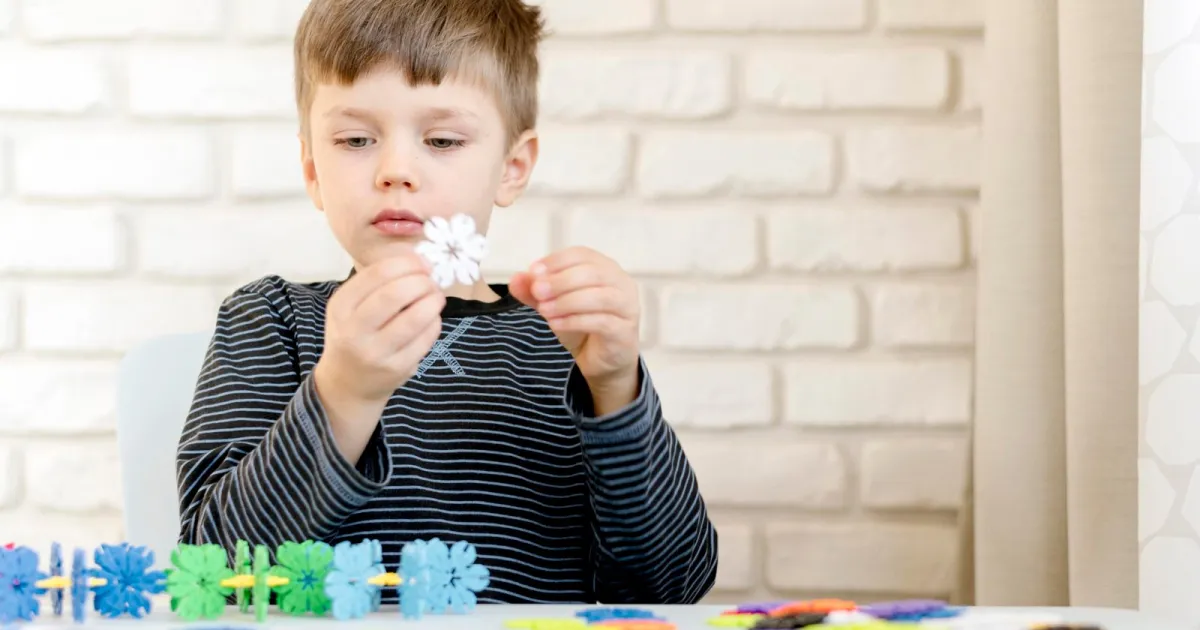
Autism spectrum disorder is a condition that affects the way a person interacts with the world around him. The key word here is "spectrum," because symptoms can vary greatly from one person to another. Some may have severe difficulties with social communication and behavior, while others may show good cognitive abilities but face challenges in social relationships. Scientifically, autism is classified as a neurodevelopmental disorder, meaning it is related to how the brain develops and works. Its symptoms usually begin to appear before the age of three, and they may continue and vary in severity with age. Individuals with autism find it difficult to understand social cues such as facial expressions or tone of voice, and they may prefer repetitive activities or a strict routine. For example, a child with autism may prefer to play with one particular toy for long hours without feeling bored, and may become very upset if the arrangement of the furniture in his room changes. At the same time, this child may show remarkable abilities in specific areas such as arithmetic, drawing or remembering fine details. It is important to know that autism is not a mental or psychological illness, as some believe, but a neurological difference in the way the brain works. For this reason, dealing with autism requires understanding the condition rather than trying to "cure" it in the traditional sense, and instead supporting the person to develop his skills and abilities.Symptoms of Autism Spectrum Disorder
The symptoms of autism can vary greatly from person to person, but they are usually concentrated in three main areas: social interaction, communication, and repetitive or restricted behaviors. Let us explain each one simply and clearly 👇1️⃣ Difficulties in Social Interaction
People with autism may face difficulties in forming social relationships. For example, a child may not look into his parents' eyes when they speak, or may not respond when his name is called. He may find it hard to share games or activities with others, or may not understand the rules of social interaction such as taking turns or understanding other people's feelings.2️⃣ Difficulties in Communication
Communication for people with autism does not only mean speech; it also includes non-verbal communication (body language, gestures). Some children may be delayed in speaking or may not speak at all, while others may speak but use unusual language (such as constantly repeating the same sentences, known as "echolalia").3️⃣ Stereotyped and Repetitive Behaviors
Another clear feature is the presence of repetitive behavior patterns, such as:- Repeating certain movements (such as hand flapping or head rocking)
- Clinging to a strict routine and becoming very upset when it changes
- Excessive interest in specific subjects (such as memorizing train maps or car details)
Types of Autism Spectrum Disorder
Since autism is a "spectrum," there are different types that vary in symptoms and severity 👇🔹 Classic Autism (Autistic Disorder)
This type involves clear symptoms in all areas: communication, social interaction and repetitive behaviors. Children here often have delayed speech, severe difficulties in social interaction and very limited interests.🔹 Asperger's Syndrome
In this type, children have no language delay, and their intelligence is often within the normal range or above. However, they have clear difficulties in social interaction and tend to focus intensely on narrow interests.🔹 Pervasive Developmental Disorder Not Otherwise Specified (PDD-NOS)
This diagnosis is used when some autism symptoms appear but do not meet the full criteria for classic autism or Asperger's.🔹 Childhood Disintegrative Disorder
A very rare condition in which a child develops normally for the first two or three years and then suddenly loses social and language skills.Causes of Autism Spectrum Disorder
So far, there is no single clear cause of autism. Scientists believe that autism results from a complex interaction between genetic and environmental factors 🧬🌍Genetic Factors
Research indicates that genes play an important role. Having cases of autism in the family (especially among siblings) increases the likelihood of its occurrence.Environmental Factors
Some studies suggest that factors such as pregnancy complications, premature birth, or the mother's exposure to certain toxic substances may contribute, but the evidence is still inconclusive.Myths That Need Correcting 🚫
❌ There is no scientific evidence that vaccines cause autism ❌ There is no evidence that poor nutrition or faulty parenting causes autismHow Is Autism Spectrum Disorder Diagnosed?
Diagnosis is a careful and complex process, and it is preferably carried out by a specialized team that includes pediatric neurologists, psychologists, and speech and behavior therapists.Main Steps of Diagnosis
- Parent interviews: understanding the child's development and medical and behavioral history
- Behavioral observation: through interactive sessions that examine communication and interaction skills
- Using validated assessment tools such as ADOS (Autism Diagnostic Observation Schedule) and CARS (Childhood Autism Rating Scale)
Treatment of Autism Spectrum Disorder
Although there is no definitive cure that eliminates autism entirely, early intervention with suitable therapeutic programs can significantly improve a child's skills and quality of life. Here are the main treatments available 👇1️⃣ Behavioral Therapy (ABA)
Applied Behavior Analysis (ABA) is considered one of the most effective therapies. It is based on reinforcing positive behaviors and reducing negative ones through rewards. It is widely used to develop communication skills, social skills and daily living skills. Practical example: if the child asks for a toy in the right way, he receives a small reward (a piece of chocolate or extra playtime), which encourages him to repeat the behavior.2️⃣ Occupational Therapy
It helps children develop fine motor skills such as holding a pencil or using scissors, as well as daily living skills such as dressing or eating.3️⃣ Speech and Language Therapy
Very important for improving verbal and non-verbal communication skills. The specialist helps the child use words, gestures, or even pictures to express his needs.4️⃣ Medication
It is not used to treat autism itself, but medications may be prescribed to manage accompanying symptoms such as: hyperactivity, anxiety, tantrums, or sleep disorders. Medications are used with caution and under the supervision of a specialist physician.5️⃣ Family Therapy and Parent Training
Training parents on how to deal with a child with autism at home is extremely important. Research confirms that parents who learn therapeutic strategies help their children make faster progress.When Should You See a Specialist?
: It is very important to see a specialist when you notice the following signs:- Clear delay in speech or lack of eye contact
- No response when the child is called by name
- Excessively repetitive movements (such as hand flapping)
- Severe difficulty in playing or interacting with others
Prevention of Autism Spectrum Disorder
So far, there are no proven ways to prevent autism. However, some measures may reduce risk factors:- Good health care during pregnancy
- Avoiding exposure to harmful substances (such as smoking and alcohol) during pregnancy
- Regular medical follow-up throughout pregnancy
- Ensuring balanced nutrition for the mother and the fetus
Risk Factors
Some factors that may increase the likelihood of autism include- A family history of autism
- Premature birth or low birth weight
- Advanced parental age (especially a father over 45)
Main Difficulties Experienced by People with Autism
1️⃣ Difficulties in communication and social interaction 2️⃣ Difficulties in learning and acquiring new skills 3️⃣ Repetitive and restricted behaviors 4️⃣ Heightened or reduced sensitivity to sounds, lights or touchFrequently Asked Questions About Autism Spectrum Disorder
🟢 Do vaccines cause autism spectrum disorder?
❌ No. Studies have clearly shown that there is no link between vaccines (such as the measles, mumps and rubella vaccine) and autism.🟢 Do smart devices cause autism?
❌ No. Heavy screen use may affect language development and social interaction, but it does not cause autism.🟢 Is autism hereditary?
✅ There is a possible genetic role. Having an affected sibling raises the likelihood that another sibling will be affected, but this is not inevitable.🟢 Can a child with autism attend regular schools?
✅ Yes, in mild or moderate cases with appropriate support (a shadow teacher, inclusion programs).🟢 Is there a relationship between autism spectrum disorder and attention deficit hyperactivity disorder?
✅ Yes, many children with autism show symptoms similar to hyperactivity, and they may be diagnosed with both conditions together.🟢 Is poor nutrition during pregnancy related to autism?
❌ The evidence is inconclusive, but poor nutrition may increase neurodevelopmental problems in general.🟢 Is autism a psychological or a mental illness?
❌ Neither. Autism is a neurodevelopmental disorder, meaning a difference in how the brain develops and works, not a psychological or mental illness.🟢 Can autism be cured?
❌ There is no "cure," but with early intervention and appropriate support, skills and quality of life can be greatly improved.When Should You Contact Us?
If you notice signs of autism in your child or feel concerned about his development… do not hesitate to contact the Dr. Naser Alfuraih Center. We are here to offer you- An accurate assessment
- A comprehensive treatment plan
- Psychological and educational support for the family