Introduction
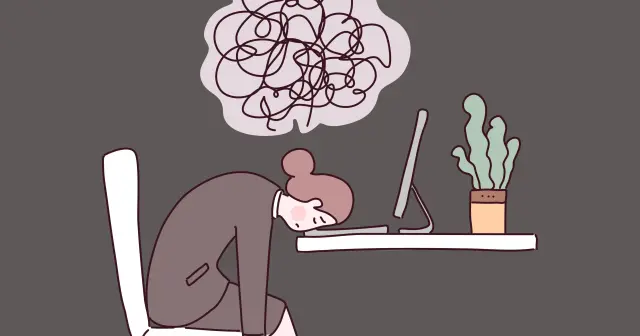
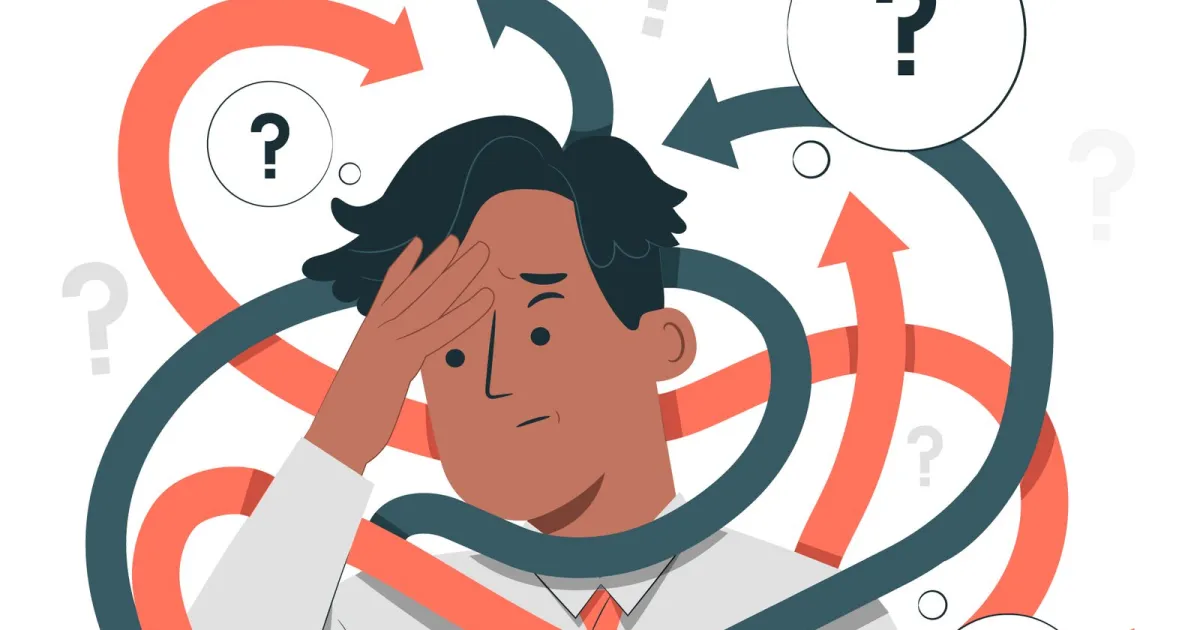
Thinking is a natural part of human life, and it is what distinguishes us from other living beings. Through thinking, we plan, analyze, and make our daily decisions. But what happens when this thinking turns from a helpful tool into a heavy burden?!This is where overthinking appears, trapping the mind in an endless cycle of analysis, worry, and replaying the same scenarios over and over. Overthinking may seem minor at first. But over time it can become a major source of psychological pressure that affects the quality of daily life.
For this reason, in this article we will take you step by step through the topic from every angle, from symptoms and causes to ways of coping and treatment, in a simple, easy-to-follow scientific style. And if you need additional support, the Vision Center for Coaching and Training of Dr. Naser Alfuraih is ready to help you with the latest approved methods. 📞 Contact us here
What Is Overthinking?
Overthinking is a mental state in which a person tends to analyze and review things excessively. Often, they become preoccupied with prolonged thinking about situations that have already happened, or even about possible ones.What Are the Symptoms of Overthinking?
Overthinking is a mental state marked by the mind's constant preoccupation with repetitive, exaggerated thoughts about certain situations or topics.
These situations may have actually happened or may be anticipated in the future.
The effects of this state are not limited to the mind; they extend to psychological and physical aspects as well.
Below, we review the most prominent symptoms that accompany it.
-
Mental fatigue
-
Sleep disturbances
-
Hesitation and difficulty making decisions
-
Constant tension and anxiety
-
Rethinking past situations (Rumination)
-
Accompanying physical symptoms
What Are the Causes of Overthinking?
To understand how to deal with overthinking, it is essential to know the causes that lead to it. They can be divided into three main areas:1. Biological causes
These relate to nerve function and brain biochemistry, including: – Lower levels of certain neurotransmitters such as serotonin and dopamine, which increases the tendency toward negative thinking and anxiety. – Overactivity in particular areas of the brain (such as the frontal cortex) responsible for analysis and decision-making. Important information: People with a family history of anxiety disorders or depression may be more prone to this condition.2. Environmental and social causes
These include the pressures and life situations a person is exposed to, such as: – Ongoing pressure at work or in study – Problems in social or family relationships – Exposure to trauma or negative experiences in childhood or early life These factors lead a person to overthink as a defense mechanism to avoid repeating pain or failure.3. Psychological causes
Some psychological traits or conditions predispose a person to overthinking, such as:- A perfectionist personality (Perfectionism): the person strives for perfection and fears making mistakes, which drives them to analyze everything with excessive precision.
- Generalized anxiety disorder (GAD): marked by chronic, persistent worry without a clear cause, leading to continuous thinking about all sorts of matters.
- Fear of failure or rejection: as a result of past experiences, the person develops overthinking behavior to avoid repeating the same disappointment or emotional hurt.
What Are the Complications and Risks of Overthinking?
If overthinking is not dealt with early, it can lead to complications that affect quality of life and both mental and physical health. The most prominent include:-
Increased risk of anxiety disorders and depression
-
Effect on daily performance
-
Physical and psychological exhaustion
-
Increased risk of social isolation
Is Overthinking a Mental Illness?
Overthinking in itself is not a recognized psychological disorder in medical classifications such as the DSM-5, but it is considered a common symptom or behavior that appears as part of several psychological disorders such as:- Generalized anxiety disorder (GAD)
- Obsessive-compulsive disorder (OCD)
- Mood disorders such as depression
When Should You See a Specialist?
It is important to seek professional help if these signs appear:- Overthinking continues for long periods without improvement
- Thinking affects the quality of sleep, work performance, or relationships
- A constant feeling of psychological and physical exhaustion
- Recurrent negative thoughts that affect mood and self-confidence
How Can Overthinking Be Managed? (Approaches to Treatment)
At Dr. Naser Alfuraih's center, we offer a range of approaches for dealing with overthinking, including:1️⃣ Cognitive behavioral therapy (CBT)
We apply established cognitive behavioral therapy sessions that help you understand the negative thinking patterns associated with overthinking and reframe them in a more balanced and realistic way. These sessions strengthen thought-management skills and give you practical tools to manage them effectively.2️⃣ Relaxation and mindfulness programs
We offer specialized programs that include deep breathing exercises, meditation, and progressive muscle relaxation, which help calm the mind and reduce racing thoughts. These programs are integrated into a plan that suits each individual's needs.3️⃣ Stress management and time organization sessions
We help participants develop time-management skills and divide daily tasks in a systematic way, which eases the tension caused by piled-up responsibilities and limits the spiral of excessive thinking.4️⃣ Expressive techniques (therapeutic writing)
We encourage the use of therapeutic writing as an effective tool for expressing thoughts and feelings. This technique helps organize thoughts and ease the anxiety associated with them, within guided sessions supervised by specialists.5️⃣ Guidance toward a healthy lifestyle
We stress the importance of integrating regular physical activity, sound nutrition, and better sleep quality into the plan, given their positive effect on mental health and on easing overthinking.6️⃣ Psychological and social support
We provide individual and group support sessions that allow participants to share their experiences in a safe and supportive environment, helping to build a social support network that eases psychological pressure.Ways to Prevent Overthinking
To reduce the likelihood of falling into the spiral of excessive thinking, you can follow these preventive strategies:- Practice stress-management techniques such as deep breathing and meditation regularly
- Adopt a healthy lifestyle that includes a balanced diet, enough sleep, and exercise
- Develop problem-solving and decision-making skills in a systematic and clear way
- Monitor negative thinking patterns and work on adjusting them with the help of a specialist if needed
- Set aside time for rest and relaxation and stay away from sources of constant pressure
Contact us:
📞 Phone: 66197772 - 69031574
🌐 Website: www.dr-furaih.com
📍 Address: Kuwait - Salmiya - Salem Al-Mubarak Street - The Walk Complex