Modern studies have built approaches for putting the mind's abilities to work, and approaches to developing abilities have multiplied, each covering one aspect of thinking functions and drawing on its own angle of thought.
Putting the mind's abilities to work increases your capacity to use more of your potential, and broader thinking holds a variety of solutions, unlike the intellectual solutions set by a single approach. Combining approaches also changes the face of a personality, and a personality trained in thinking is distinguished from others by its ability to deal with difficulties and situations better than a personality confined to one pattern of thought.
Through positive thinking, the thinker approaches every situation from an angle in which they see a solution to the difficult circumstances they face. The positive person benefits from the positive idea and applies it to the reality they live in, and in proportion to their positivity and optimism they carry out their idea and reap the fruits of success, distinction and prosperity.
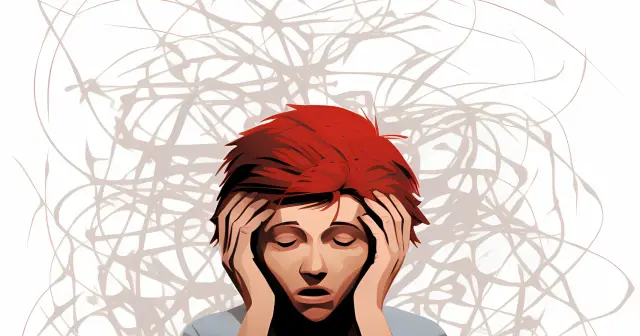
As for the person who thinks with mental pessimism, they come away with the worst possibilities and can deal with society or their family only on the expectation that harm or damage will occur. Despite the many sources of positivity, they insist on conflict and on the idea of conspiracy and scheming, and they deal with society from the reality of their own negativity. Only harm comes out of their thinking, affecting their work, their relationships with their family and their relationships with society.
Building an approach that strengthens positive mental performance is a need for addressing weakness in relationships and in personality. Through training in using the mind, the trainee comes to recognize the power of positive thinking, devises useful solutions to every issue with a positive idea, and turns it into a functional social reality. The optimist sets out to their responsibilities with confidence in their ability, does not stop trying because they trust their potential, and continues applying the positivity of the idea to address reality.
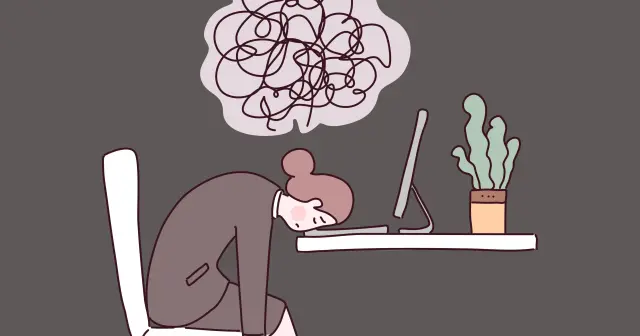
In contrast to the positive person, the negative personality deals with circumstances by assuming the worst possibilities, and lives with reality as though it were bad. The rest of the pessimist's family is affected by their pessimism, and it becomes the family and life reality of all its members. Mental pessimism then spreads into the corridors of institutions and work systems, and pessimism covers wide areas of contemporary societies. Lack of optimism leads to a dead end, so a pessimistic environment cannot address its mistakes or repair its work plan.
Negative Thinking and Mental Pessimism:
An environment in which poverty, want, few jobs and low income are widespread has not addressed its situation, not because of the surrounding circumstances, but because of poor thinking and viewing reality with regret, resentment and psychological anger. The mind then knows only notions of doubt and hesitation, looks at every idea from a negative side, and the confused mind casts doubt on established ideas and insists on the negativity of reality. Unless it leaves the mindset of pessimism, it will not see solutions to its present reality. Every society that flourished in its trade or industry and was distinguished by stable living showed positivity in its thinking before its prosperity and development, in proportion to the society's optimism.
The positive personality always looks at the situation and at the possibilities for the best solution, and the optimistic personality looks at the situation realistically in terms of its ability to carry it out, and in proportion to its confidence it works at building possibilities.