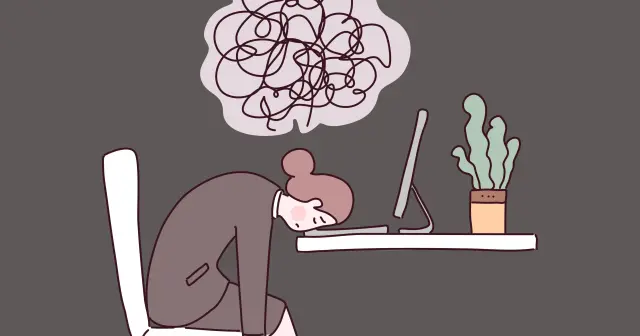
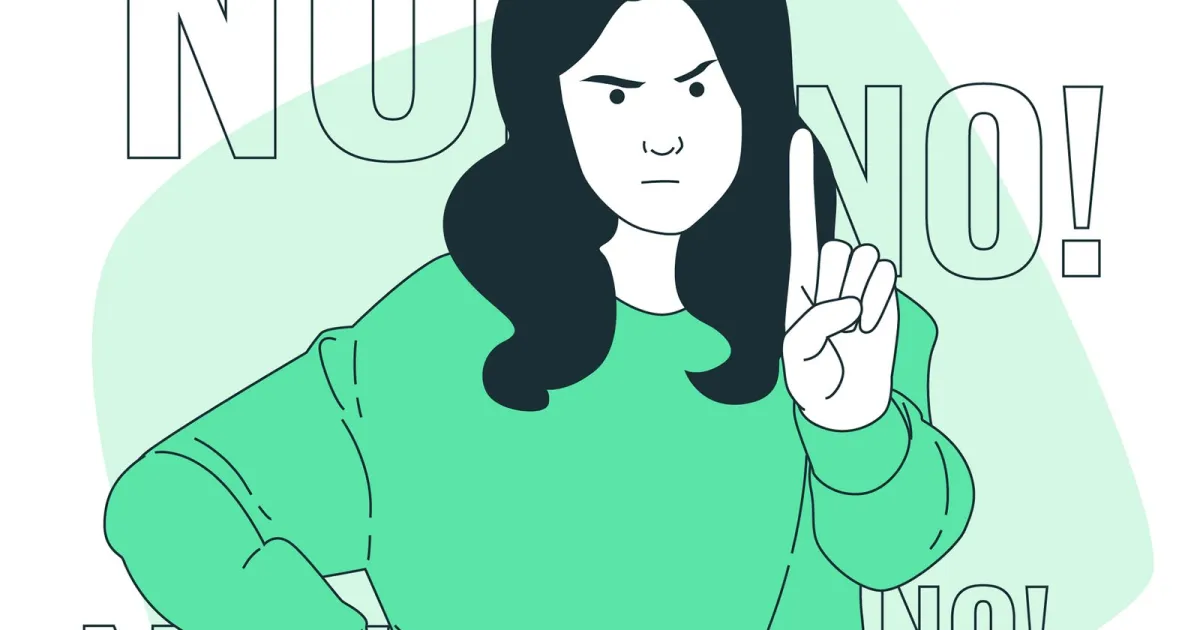
Many people avoid saying "no," fearing the loss of social acceptance or hurting others' feelings. This persistent habit can lead to drained energy, stress and psychological exhaustion. In this article, we guide you on how to decline politely and confidently, without guilt, to protect your mental health and personal relationships. At the Vision Center for Coaching and Training in Kuwait, we help you develop this essential skill for a more balanced life.
The Importance of Saying "No": Why You Should Start Now
Declining inappropriate requests is not selfishness. On the contrary, it is an expression of self-respect. Learning to say no tactfully strengthens your ability to:- Manage your time efficiently
- Reduce stress and pressure
- Build relationships based on mutual respect
- Improve the quality of your daily decisions
The Psychological Reasons Behind Difficulty Saying No
To understand why you feel guilty when you say "no," here are some common psychological drivers:- Fear of losing relationships: You believe that declining a request will damage the relationship or cost you social acceptance.
- A constant desire to please others: You grew up in an environment that favored always agreeing to others' requests in order to avoid conflict.
- Low self-esteem: You believe your worth depends on how much you help others.
- An exaggerated sense of responsibility: You feel it is your duty to meet the needs of everyone around you.
The Benefits of Saying No Confidently for Your Mental Health
Learning the skill of saying no confidently helps you protect your time and your mental health.- Reduced stress and anxiety: Not accepting more than you can handle reduces your psychological fatigue.
- Better relationships: Clear boundaries improve the quality of communication and prevent exploitation.
- Increased productivity: You focus on your priorities instead of wasting time meeting unnecessary requests.
- Strengthened self-respect: Saying "no" teaches you that you are in control of your life, not others.
The Negative Effects of Not Saying "No" on Your Mental and Physical Health
Being unable to decline, over time, can have serious effects on physical and mental health. Some of these effects include:- Chronic Stress: Constantly responding to others' requests can raise cortisol levels, which may weaken immunity and contribute to health problems such as high blood pressure and heart disease.
- Emotional Exhaustion: Draining your psychological energy creates a sense of burnout, low mood and disconnection from yourself.
- Suppressed anger: An accumulation of forced agreement leads to inner resentment that may later erupt in unhealthy ways.
- Weaker work performance: Overload reduces concentration and productivity and increases mistakes.
Effective Strategies for Saying No Confidently and Without Guilt
1️⃣ Be clear and direct Use clear phrases such as: "I can't take this on right now" or "I'm not available for this request at the moment." Avoid stalling or making up excuses.
2️⃣ Offer an alternative when it suits you If you wish, you can suggest another solution: "I can't attend today, but we can meet tomorrow."
3️⃣ Define your priorities in advance When you know what matters to you, it becomes easier to decline whatever conflicts with your goals.
4️⃣ Practice saying "no" in simple situations Start with small situations to build your confidence gradually, such as declining an unsuitable invitation or an extra task at work.
5️⃣ Use a tone that is both firm and kind Combine respect with firmness. Do not apologize excessively, and do not attack the other person.
6️⃣ Separate the person from the request Remember that declining a request does not mean rejecting the person. Say: "I can't do this," not "I don't want to help you."
7️⃣ Anticipate reactions and handle them calmly Some people may show displeasure when you decline. Stand by your decision and reaffirm your respect for the relationship.
8️⃣ Protect your time and energy Regard saying "no" as a way of protecting your limited resources so you can invest them in what matters to you.
How Do You Apply the Skill of Saying "No" in Different Settings?
Personal Relationships
Express your boundaries clearly with family and friends. For example, you can say: "I need some time to myself today" or "I appreciate your request, but I have current priorities."The Workplace
Decline extra tasks that conflict with your priorities with phrases such as: "I have current commitments that prevent me from adding more right now" or "To deliver high-quality work, I need to focus my time on the current project."Community and Social Commitments
Choose activities that align with your goals and values, and politely decline what does not suit you. You can say: "Thank you for the invitation, but I won't be able to attend this time."How Can a Counselor Help You Apply Declining Skills?
Dealing with entrenched patterns of people-pleasing or fear of rejection calls for specialized support. A counselor offers you:- A deep understanding of your personal drivers: through exploratory sessions that help you identify the sources of fear and guilt.
- Development of effective communication skills: learning verbal and behavioral strategies to say "no" confidently.
- Continuous practical support: discussing your weekly experiences applying the skill and receiving constructive feedback.
- Building self-esteem: working to strengthen your self-respect so that you feel entitled to set clear boundaries.
Practical Steps to Start Now
- Identify a specific situation in which you want to say "no" this week
- Use one of the strategies mentioned above
- Notice how you feel after the situation, and write down your observations
- Repeat the experience in other situations