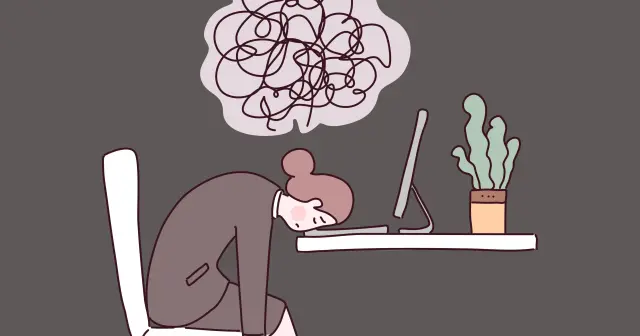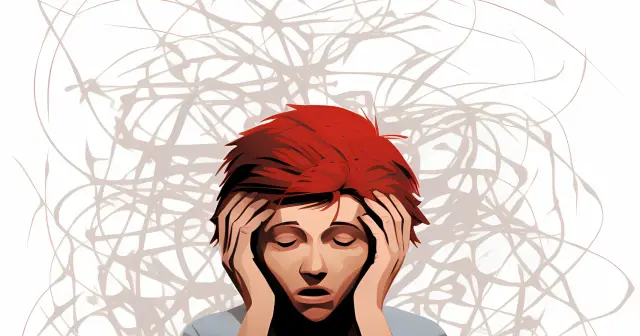
In our daily lives, we move between moments of joy and moments of heartbreak, yet sadness remains one of the most powerful emotions and one of the most closely tied to our emotional experiences. But when is sadness natural? And when does it call for reflection or support? This guide offers a deeper understanding of sadness, its causes and its types, and of how to deal with it in a healthy way that helps you regain your emotional balance.
What Is Sadness?<\/b><\/h2>
Sadness is a natural response to loss, disappointment or any event that affects your emotional stability. It may appear as a feeling of distress, a desire to cry, withdrawal, or even a loss of enthusiasm for things that once brought you pleasure.<\/strong>
Sometimes sadness<\/a> is temporary, lasting hours or days before it fades. At other times it runs deeper and has a greater impact on daily life, and it may call for greater awareness and a different approach to move through it.<\/span>
Common Symptoms of Sadness: How Do You Know You Are Truly Sad?<\/b><\/h2>
When a person goes through a painful experience or loses something dear to them, it is natural to feel sad. But how do we tell passing sadness from a state that deserves attention and conscious handling? Here are the common symptoms that appear when sadness is real and has a tangible effect on your daily life:<\/span>
1. A Persistent Feeling of Distress or Heaviness<\/b><\/h3>
Sadness may come with a heavy feeling inside, as if an emotional burden were pressing on your chest. This feeling does not go away easily, and it affects your emotional state even when there is no direct or obvious cause.<\/span>
2. Frequent or Sudden Crying<\/b><\/h3>
The body often expresses sadness through tears, whether in moments of solitude or without warning while talking or recalling an event. A person may feel unable to control their tears or explain why they are crying.<\/span>
3. Loss of Interest in Usual Activities<\/b><\/h3>
What once brought you pleasure or passion, such as hobbies or family gatherings, may now seem meaningless. Many people feel interested in nothing, as though life has lost its usual colors.<\/span>
4. Constant Tiredness and Exhaustion<\/b><\/h3>
Even with enough sleep, a person who is persistently sad may feel a drop in physical energy and find it hard to get up in the morning or finish daily tasks. This fatigue is not always linked to physical effort; it reflects the psychological state.<\/span>
5. Difficulty Concentrating and Making Decisions<\/b><\/h3>
You may notice that you lose the ability to concentrate or organize your thoughts, even in simple matters. Making small decisions can become tiring and confusing because of a scattered mind and ongoing worry.<\/span>
6. Social Withdrawal and Isolation<\/b><\/h3>
Another common symptom is withdrawing from one's surroundings, even from the closest people. A person may not want to talk, take part, or even answer calls, and quietly chooses isolation.<\/span>
7. Sleep Disturbances<\/b><\/h3>
Sleep disturbances take several forms, including:<\/span>
- Insomnia<\/b>: difficulty falling asleep or waking repeatedly during the night<\/span><\/li>
- Oversleeping<\/b>: turning to sleep as a way to escape reality<\/span><\/li>
- Disturbing dreams or nightmares<\/b><\/li>
In either case, the body stays under strain, which makes emotions even harder to manage.<\/span>
8. Changes in Appetite<\/b><\/h3>
A person may lose the desire to eat altogether or, conversely, turn to emotional eating as a form of compensation. These changes can lead to noticeable weight loss or gain within a short period.<\/span>
9. Negative Thoughts or Self-Blame<\/b><\/h3>
Some people feel they are to blame for what happened, even when that makes no sense. Negative thoughts begin to creep in: "It's my fault," "I wasn't good enough," "If only I had acted differently..." This kind of thinking deepens sadness.<\/span>
Should You Be Worried About These Symptoms?<\/b><\/h3>
These symptoms do not necessarily mean there is a serious problem. But if they last more than two weeks, or clearly begin to affect the quality of your daily life, it is best not to ignore them. Addressing sadness early is an essential step in protecting your mental and physical health.<\/span>
Types of Sadness: Do We All Feel the Same Way?<\/b><\/h2>
Not all sadness is alike. Just as the causes of sadness differ, so do its nature, intensity and impact on the person. Some assume sadness is just a passing state that goes by peacefully, but it actually comes in many forms, each with its own character that deserves to be understood and respected.<\/span>
Its types include:<\/span>
1. Passing Sadness<\/b><\/h3>
This is sadness that lasts a short time following an upsetting situation or a difficult day. It arrives like a quick wave of emotion and then gradually fades, usually without a major effect on the person's life. For example, you may feel sad after an unpleasant argument or after failing at a simple task, but you quickly regain your balance.<\/span>
2. Complicated Sadness<\/b><\/h3>
This is deeper and longer lasting. It often follows a major loss or a strong psychological shock, such as losing someone close or the end of an important relationship. This type does not fade with time as expected; it stays with the person for a long period and sometimes prevents them from returning to normal life. It may show up as constant rumination on memories, a continuous sense of loss, or difficulty accepting reality.<\/span>
3. Accumulated Sadness<\/b><\/h3>
This appears when a person goes through several pressures or successive losses without enough time to recover. Over time, the sorrows pile up into a heavy psychological burden that is hard to bear. In many cases, the person cannot pinpoint the cause of their sadness, because it results from a chain of events rather than a single one.<\/span>
4. Existential Sadness<\/b><\/h3>
This sadness is not tied to an external loss; it comes from within. It appears when a person faces deep questions about the meaning of life, or feels empty despite having every comfort. It usually occurs during major transitions, such as after graduation, at retirement, or even after achieving a long-awaited dream.<\/span>
In the end, it is important to recognize that sadness is not a single feeling in a single guise. It may differ in depth, duration and impact, but in all its forms it deserves to be acknowledged. Understanding the type of sadness you are going through is the first step toward treating it with kindness and awareness, without denial or minimizing.<\/span>
What Causes Sadness?<\/b><\/h2>
Sadness does not come from nowhere. It is the result of an experience or feeling that leaves a mark on the heart and mind. Often the cause is not clear or direct; it is cumulative or linked to several areas of life. Understanding the <\/span>causes of sadness<\/b> helps us deal with it consciously instead of ignoring or fighting it.<\/span>
1. Loss and Bereavement<\/b><\/h3>
Loss is one of the most prominent causes of sadness, whether it is the departure of a loved one, the end of a relationship, or even the loss of a job or a long-pursued dream. Loss is not only the absence of something; it is the absence of the feeling attached to it, such as security, belonging or love.<\/span>
Sometimes sadness stems from losing a part of oneself, such as losing passion or enthusiasm for life, which those around you may not easily notice.<\/span>
2. Betrayal and Disappointment<\/b><\/h3>
When we expect support, understanding or loyalty from others and then meet the opposite, our sense of trust breaks, and sadness appears as a natural result. It may come from a close friend, a life partner, or even from expectations that were never fulfilled.<\/span>
Disappointment does not always come from people; sometimes it comes from life itself, when things do not go as we wish despite our continuous efforts.<\/span>
3. Psychological Pressure and Daily Accumulation<\/b><\/h3>
Constant pressure, whether at work, within the family or in studies, can create a chronic feeling of exhaustion and sadness, especially if a person finds no outlet, support or even rest.<\/span>
A person may feel sad for no clear reason, when in truth they are exhausted inside, weighed down by worries they have never expressed.<\/span>
4. Loneliness or Isolation<\/b><\/h3>
A lack of healthy, balanced relationships can cause an inner feeling of sadness. Even in the presence of others, a person may feel misunderstood or unheard, which deepens loneliness and creates a painful gap between them and those around them.<\/span>
5. Old Memories and Experiences<\/b><\/h3>
Childhood experiences or past traumas that were not properly processed can remain dormant in the psyche and affect the present without our awareness. Sometimes we do not understand why we feel sad in a simple situation, when in fact we are reliving an old experience in a new form.<\/span>
In the end, the causes of sadness differ from person to person, and no one's feelings should be judged or belittled. What saddens you may not sadden someone else, and vice versa. What matters most is that you give yourself permission to feel, and that you try to understand what you are going through, without denial or harshness.<\/span>
If you feel that sadness has become heavy and is affecting your sleep, your energy or your relationships, do not hesitate to ask for help.<\/span> ✦ Contact us at the Vision Center for Coaching and Training, and we will be with you on your journey to understand yourself and regain your balance.<\/b>
How Sadness Affects the Body<\/b><\/h2>
Sadness does not stay only in the heart or mind; its effect clearly extends to the body. When sad feelings last a long time or are intense, the body begins to react in different ways, as if translating psychological pain into physical symptoms that are sometimes hard to ignore.<\/span>
Common effects of sadness on the body include:<\/span>
- Constant fatigue<\/b>: feeling tired even without real exertion, and finding it hard to get out of bed or perform daily tasks.<\/span><\/li>
- Scattered aches<\/b>: such as headaches, stomach pain, or chest pain with no clear organic cause. These pains are often the result of the psychological tension that accompanies sadness.<\/span><\/li>
- Sleep disturbances<\/b>: some people suffer from insomnia, difficulty falling asleep, or frequent waking, while others sleep excessively as a way to escape reality.<\/span><\/li>
- Changes in appetite<\/b>: some people lose their appetite completely, while others turn to overeating as emotional compensation.<\/span><\/li>
- Weakened immunity<\/b>: chronic sadness may weaken the immune system, making the body more susceptible to infections and illness.<\/span><\/li>
- Heart rhythm disturbances<\/b>: in cases of intense sadness, such as sudden loss, symptoms resembling angina may appear, known medically as "broken heart syndrome," a temporary but significant condition.<\/span><\/li>
It is important to recognize that these physical changes do not always indicate a serious illness, but they are signals the body sends to say, "I am hurting." Ignoring these signals may worsen both physical and psychological health.<\/span>
Risk Factors Linked to Chronic Sadness: When Does a Feeling Become a Crisis?<\/b><\/h2>
Sadness is a natural part of life, but when it lasts a long time or becomes so deep that it disrupts a person's life, it shifts from a natural feeling to a state that needs special awareness and attention. At this stage what is known as "chronic sadness" appears, which may be linked to several risk factors that increase its severity or the likelihood that it develops into deeper problems.<\/span>
Among the most prominent of these factors:<\/b><\/h3>
- Repeated experiences of loss or previous trauma<\/b>: people who have gone through successive losses without enough time to recover are more prone to chronic sadness.<\/span><\/li>
- Weak social support<\/b>: when a person has no one who understands them or offers a safe space to express themselves, sadness becomes lonelier and more painful.<\/span><\/li>
- Social isolation or loneliness<\/b>: living in isolation or without strong relationships can make a person more vulnerable to prolonged sadness.<\/span><\/li>
- Genetic predisposition or a family history of psychological disorders<\/b>: some people have a biological tendency toward emotional sensitivity, which makes sadness more persistent.<\/span><\/li>
- Not addressing sadness early<\/b>: suppressing or ignoring feelings in the belief that "time heals everything" may cause them to build up and turn into a complex psychological state.<\/span><\/li>
- Chronic health problems<\/b>: persistent physical pain or chronic illness can affect a person psychologically and weaken their emotional endurance.<\/span><\/li>
- Unrealistic expectations of oneself<\/b>: such as judging oneself harshly or not allowing oneself the right to be sad, which increases inner pressure and prevents emotional balance.<\/span><\/li>
Understanding these factors does not necessarily mean we are weak; it helps us treat ourselves with awareness and compassion. Anyone can be affected, but what matters is noticing the signs and seeking balance in good time.<\/span>
Complications of Sadness: How Does Persistent Sadness Affect Your Life?<\/b><\/h2>
When sadness continues for a long time and becomes chronic, it is no longer just a temporary feeling; it may lead to psychological and physical complications that greatly affect quality of life. Ignoring these complications may increase their severity and make them harder to deal with later.<\/span>
The Most Prominent Complications of Chronic Sadness:<\/b><\/h3>
- Depression<\/b>: chronic sadness may develop into genuine depression, in which feelings of sadness deepen and are accompanied by loss of interest in things, a sense of hopelessness, and low energy.<\/span><\/li>
- Persistent anxiety<\/b>: prolonged sadness may be accompanied by growing fear and anxiety, which affect thinking and concentration.<\/span><\/li>
- Deteriorating physical health<\/b>: this includes a higher risk of heart disease, digestive disorders and weakened immunity, leaving the body less able to resist illness.<\/span><\/li>
- Difficulties in social relationships<\/b>: chronic sadness may lead to isolation, difficulty communicating, and loss of trust in others.<\/span><\/li>
- Sleep problems<\/b>: persistent sleep disturbances lead to chronic exhaustion and a reduced ability to cope with daily life.<\/span><\/li>
- Reduced work performance<\/b>: concentration and productivity suffer, which negatively affects work or study.<\/span><\/li>
- Addiction or harmful behaviors<\/b>: some people turn to smoking, drugs or alcohol as a way to escape psychological pain.<\/span><\/li>
Preventing Sadness: How Do You Protect Yourself?<\/b><\/h2>
Prevention is the best way to deal with sadness, especially to keep it from becoming a chronic state that affects mental and physical health. Simple steps can help maintain psychological and emotional balance:<\/span>
- Express your feelings<\/b>: do not suppress your sadness; look for safe ways to express it, whether by talking with a trusted person, writing, or artistic expression.<\/span><\/li>
- Seek social support<\/b>: a support network of family or friends strengthens your ability to face difficulties.<\/span><\/li>
- Take care of your physical health<\/b>: regular exercise, a healthy diet and enough sleep support mental health.<\/span><\/li>
- Learn relaxation techniques<\/b>: such as deep breathing, meditation or yoga, which help reduce stress and improve mood.<\/span><\/li>
- Set small goals<\/b>: setting achievable daily or weekly goals strengthens the sense of accomplishment and reduces the feeling of helplessness.<\/span><\/li>
- Seek professional help when needed<\/b>: if you notice that sadness is significantly affecting your life<\/span><\/li>
When Do You Need Specialized Support?<\/b><\/h3>
Here are the warning signs that indicate sadness is no longer within the normal range:<\/span>
- Sadness lasting more than two weeks without improvement<\/span><\/li>
- Repeated thoughts of death or suicide<\/span><\/li>
- A constant sense of worthlessness or guilt<\/span><\/li>
- Inability to carry out daily tasks<\/span><\/li>
What Should You Do When You Feel Sad for No Reason?<\/b><\/h3>
- Give yourself time and space to feel<\/b>: do not try to deny your feelings or push them away; accept that they are part of your human experience.<\/span><\/li>
- Talk to a trusted person<\/b>: sharing your feelings with a friend or relative may help lighten the emotional load.<\/span><\/li>
- Do some physical activity<\/b>: exercise stimulates the release of chemicals that improve mood.<\/span><\/li>
- Try relaxation techniques<\/b>: deep breathing, meditation or yoga can ease tension and balance mood.<\/span><\/li>
- Watch your sleep and eating patterns<\/b>: try to regulate your sleep and eat healthily to support your psychological and physical balance.<\/span><\/li>
- Ask for specialized support when needed<\/b>: if sadness with no apparent cause persists for a long time and affects your life, do not hesitate to contact us for help.<\/span><\/li>
Is What I Feel Normal Sadness or Depression?<\/b><\/h2>
Distinguishing normal sadness from depression is important because each needs a different approach.<\/span>
Normal Sadness:<\/b><\/h3>
- It is often linked to a specific event or painful experience.<\/span><\/li>
- Feelings of sadness gradually ease over time.<\/span><\/li>
- It does not greatly affect the ability to carry out daily activities.<\/span><\/li>
- A person may still have moments of relief and joy despite the sadness.<\/span><\/li>
Depression:<\/b><\/h3>
- It may occur with no clear cause or after a minor event.<\/span><\/li>
- Feelings of sadness are deep and last more than two weeks.<\/span><\/li>
- It is accompanied by symptoms such as loss of interest in everything, severe fatigue, sleep disorders<\/a> and appetite changes, and feelings of hopelessness or guilt.<\/span><\/li>
- It significantly affects daily functioning and social relationships.<\/span><\/li>
The Hardest Types of Sadness: Why Are Some More Painful Than Others?<\/b><\/h2>
Sadness is experienced differently from person to person, and some types have a stronger effect on the mind and body. Among the hardest types of sadness are:<\/span>
- Sadness from the sudden loss of a loved one<\/b> When we lose someone we love suddenly, without any psychological preparation or farewell, the pain is very deep, and the sadness is accompanied by shock and confusion.<\/span><\/li>
- Sadness linked to betrayal or loss of trust<\/b> The feeling of being betrayed by someone close shatters trust and leads to deep sadness that is hard to overcome quickly.<\/span><\/li>
- Sadness from continuous frustration or failed dreams<\/b> When attempts are repeated and hopes are dashed, sadness turns into a sense of let-down and emptiness.<\/span><\/li>
- Sadness linked to extreme loneliness and isolation<\/b> Distance from social support and a feeling of isolation make sadness heavier and harder to deal with.<\/span><\/li>
Each of these types requires its own understanding and patience in recovery, for sadness is not a race but a journey in which a person needs support and time.<\/span>
Body Language in Sadness<\/b><\/h2>
Even if we try to hide our sadness, our body expresses it clearly. Body language is a deep mirror of the psychological state, and its most prominent signs include:<\/span>
- Reduced activity and movement<\/b>: slow movement, a lowered head and drooping shoulders, reflecting an inner heaviness.<\/span><\/li>
- Facial expressions<\/b>: teary or red eyes, a furrowed forehead, and lips that are relaxed or turned downward.<\/span><\/li>
- Avoiding eye contact<\/b>: social withdrawal makes a person avoid looking into others' eyes.<\/span><\/li>
- Sitting postures<\/b>: the body may sit hunched forward, or the hands may cover the face, signaling sadness and psychological pressure.<\/span><\/li>
- Shallow or heavy breathing<\/b>: breathing patterns may change because of stress or sadness.<\/span><\/li>
Understanding these signals helps us empathize with ourselves and others, and encourages us to offer the support needed.<\/span>
Conclusion<\/b><\/h2>
Sadness is a natural part of the human experience, but it becomes a challenge when it persists or affects our mental and physical health. Everyone has moments of weakness, and everyone needs support and understanding.<\/span>
At the Vision Center for Coaching and Training, we are here to stand with you on your journey toward psychological and emotional balance. We offer a safe and supportive environment that helps you express your feelings, understand sadness, and learn healthy ways to deal with it.<\/span>
- Constant fatigue<\/b>: feeling tired even without real exertion, and finding it hard to get out of bed or perform daily tasks.<\/span><\/li>
- Scattered aches<\/b>: such as headaches, stomach pain, or chest pain with no clear organic cause. These pains are often the result of the psychological tension that accompanies sadness.<\/span><\/li>
- Sleep disturbances<\/b>: some people suffer from insomnia, difficulty falling asleep, or frequent waking, while others sleep excessively as a way to escape reality.<\/span><\/li>
- Changes in appetite<\/b>: some people lose their appetite completely, while others turn to overeating as emotional compensation.<\/span><\/li>
- Weakened immunity<\/b>: chronic sadness may weaken the immune system, making the body more susceptible to infections and illness.<\/span><\/li>
- Heart rhythm disturbances<\/b>: in cases of intense sadness, such as sudden loss, symptoms resembling angina may appear, known medically as "broken heart syndrome," a temporary but significant condition.<\/span><\/li>
- Scattered aches<\/b>: such as headaches, stomach pain, or chest pain with no clear organic cause. These pains are often the result of the psychological tension that accompanies sadness.<\/span><\/li>
Risk Factors Linked to Chronic Sadness: When Does a Feeling Become a Crisis?<\/b><\/h2>
Sadness is a natural part of life, but when it lasts a long time or becomes so deep that it disrupts a person's life, it shifts from a natural feeling to a state that needs special awareness and attention. At this stage what is known as "chronic sadness" appears, which may be linked to several risk factors that increase its severity or the likelihood that it develops into deeper problems.<\/span>
Among the most prominent of these factors:<\/b><\/h3>
- Repeated experiences of loss or previous trauma<\/b>: people who have gone through successive losses without enough time to recover are more prone to chronic sadness.<\/span><\/li>
- Weak social support<\/b>: when a person has no one who understands them or offers a safe space to express themselves, sadness becomes lonelier and more painful.<\/span><\/li>
- Social isolation or loneliness<\/b>: living in isolation or without strong relationships can make a person more vulnerable to prolonged sadness.<\/span><\/li>
- Genetic predisposition or a family history of psychological disorders<\/b>: some people have a biological tendency toward emotional sensitivity, which makes sadness more persistent.<\/span><\/li>
- Not addressing sadness early<\/b>: suppressing or ignoring feelings in the belief that "time heals everything" may cause them to build up and turn into a complex psychological state.<\/span><\/li>
- Chronic health problems<\/b>: persistent physical pain or chronic illness can affect a person psychologically and weaken their emotional endurance.<\/span><\/li>
- Unrealistic expectations of oneself<\/b>: such as judging oneself harshly or not allowing oneself the right to be sad, which increases inner pressure and prevents emotional balance.<\/span><\/li>
Understanding these factors does not necessarily mean we are weak; it helps us treat ourselves with awareness and compassion. Anyone can be affected, but what matters is noticing the signs and seeking balance in good time.<\/span>
Complications of Sadness: How Does Persistent Sadness Affect Your Life?<\/b><\/h2>
When sadness continues for a long time and becomes chronic, it is no longer just a temporary feeling; it may lead to psychological and physical complications that greatly affect quality of life. Ignoring these complications may increase their severity and make them harder to deal with later.<\/span>
The Most Prominent Complications of Chronic Sadness:<\/b><\/h3>
- Depression<\/b>: chronic sadness may develop into genuine depression, in which feelings of sadness deepen and are accompanied by loss of interest in things, a sense of hopelessness, and low energy.<\/span><\/li>
- Persistent anxiety<\/b>: prolonged sadness may be accompanied by growing fear and anxiety, which affect thinking and concentration.<\/span><\/li>
- Deteriorating physical health<\/b>: this includes a higher risk of heart disease, digestive disorders and weakened immunity, leaving the body less able to resist illness.<\/span><\/li>
- Difficulties in social relationships<\/b>: chronic sadness may lead to isolation, difficulty communicating, and loss of trust in others.<\/span><\/li>
- Sleep problems<\/b>: persistent sleep disturbances lead to chronic exhaustion and a reduced ability to cope with daily life.<\/span><\/li>
- Reduced work performance<\/b>: concentration and productivity suffer, which negatively affects work or study.<\/span><\/li>
- Addiction or harmful behaviors<\/b>: some people turn to smoking, drugs or alcohol as a way to escape psychological pain.<\/span><\/li>
Preventing Sadness: How Do You Protect Yourself?<\/b><\/h2>
Prevention is the best way to deal with sadness, especially to keep it from becoming a chronic state that affects mental and physical health. Simple steps can help maintain psychological and emotional balance:<\/span>
- Express your feelings<\/b>: do not suppress your sadness; look for safe ways to express it, whether by talking with a trusted person, writing, or artistic expression.<\/span><\/li>
- Seek social support<\/b>: a support network of family or friends strengthens your ability to face difficulties.<\/span><\/li>
- Take care of your physical health<\/b>: regular exercise, a healthy diet and enough sleep support mental health.<\/span><\/li>
- Learn relaxation techniques<\/b>: such as deep breathing, meditation or yoga, which help reduce stress and improve mood.<\/span><\/li>
- Set small goals<\/b>: setting achievable daily or weekly goals strengthens the sense of accomplishment and reduces the feeling of helplessness.<\/span><\/li>
- Seek professional help when needed<\/b>: if you notice that sadness is significantly affecting your life<\/span><\/li>
When Do You Need Specialized Support?<\/b><\/h3>
Here are the warning signs that indicate sadness is no longer within the normal range:<\/span>
- Sadness lasting more than two weeks without improvement<\/span><\/li>
- Repeated thoughts of death or suicide<\/span><\/li>
- A constant sense of worthlessness or guilt<\/span><\/li>
- Inability to carry out daily tasks<\/span><\/li>
What Should You Do When You Feel Sad for No Reason?<\/b><\/h3>
- Give yourself time and space to feel<\/b>: do not try to deny your feelings or push them away; accept that they are part of your human experience.<\/span><\/li>
- Talk to a trusted person<\/b>: sharing your feelings with a friend or relative may help lighten the emotional load.<\/span><\/li>
- Do some physical activity<\/b>: exercise stimulates the release of chemicals that improve mood.<\/span><\/li>
- Try relaxation techniques<\/b>: deep breathing, meditation or yoga can ease tension and balance mood.<\/span><\/li>
- Watch your sleep and eating patterns<\/b>: try to regulate your sleep and eat healthily to support your psychological and physical balance.<\/span><\/li>
- Ask for specialized support when needed<\/b>: if sadness with no apparent cause persists for a long time and affects your life, do not hesitate to contact us for help.<\/span><\/li>
Is What I Feel Normal Sadness or Depression?<\/b><\/h2>
Distinguishing normal sadness from depression is important because each needs a different approach.<\/span>
Normal Sadness:<\/b><\/h3>
- It is often linked to a specific event or painful experience.<\/span><\/li>
- Feelings of sadness gradually ease over time.<\/span><\/li>
- It does not greatly affect the ability to carry out daily activities.<\/span><\/li>
- A person may still have moments of relief and joy despite the sadness.<\/span><\/li>
Depression:<\/b><\/h3>
- It may occur with no clear cause or after a minor event.<\/span><\/li>
- Feelings of sadness are deep and last more than two weeks.<\/span><\/li>
- It is accompanied by symptoms such as loss of interest in everything, severe fatigue, sleep disorders<\/a> and appetite changes, and feelings of hopelessness or guilt.<\/span><\/li>
- It significantly affects daily functioning and social relationships.<\/span><\/li>
The Hardest Types of Sadness: Why Are Some More Painful Than Others?<\/b><\/h2>
Sadness is experienced differently from person to person, and some types have a stronger effect on the mind and body. Among the hardest types of sadness are:<\/span>
- Sadness from the sudden loss of a loved one<\/b> When we lose someone we love suddenly, without any psychological preparation or farewell, the pain is very deep, and the sadness is accompanied by shock and confusion.<\/span><\/li>
- Sadness linked to betrayal or loss of trust<\/b> The feeling of being betrayed by someone close shatters trust and leads to deep sadness that is hard to overcome quickly.<\/span><\/li>
- Sadness from continuous frustration or failed dreams<\/b> When attempts are repeated and hopes are dashed, sadness turns into a sense of let-down and emptiness.<\/span><\/li>
- Sadness linked to extreme loneliness and isolation<\/b> Distance from social support and a feeling of isolation make sadness heavier and harder to deal with.<\/span><\/li>
Each of these types requires its own understanding and patience in recovery, for sadness is not a race but a journey in which a person needs support and time.<\/span>
Body Language in Sadness<\/b><\/h2>
Even if we try to hide our sadness, our body expresses it clearly. Body language is a deep mirror of the psychological state, and its most prominent signs include:<\/span>
- Reduced activity and movement<\/b>: slow movement, a lowered head and drooping shoulders, reflecting an inner heaviness.<\/span><\/li>
- Facial expressions<\/b>: teary or red eyes, a furrowed forehead, and lips that are relaxed or turned downward.<\/span><\/li>
- Avoiding eye contact<\/b>: social withdrawal makes a person avoid looking into others' eyes.<\/span><\/li>
- Sitting postures<\/b>: the body may sit hunched forward, or the hands may cover the face, signaling sadness and psychological pressure.<\/span><\/li>
- Shallow or heavy breathing<\/b>: breathing patterns may change because of stress or sadness.<\/span><\/li>
Understanding these signals helps us empathize with ourselves and others, and encourages us to offer the support needed.<\/span>
Conclusion<\/b><\/h2>
Sadness is a natural part of the human experience, but it becomes a challenge when it persists or affects our mental and physical health. Everyone has moments of weakness, and everyone needs support and understanding.<\/span>
At the Vision Center for Coaching and Training, we are here to stand with you on your journey toward psychological and emotional balance. We offer a safe and supportive environment that helps you express your feelings, understand sadness, and learn healthy ways to deal with it.<\/span>
- Repeated experiences of loss or previous trauma<\/b>: people who have gone through successive losses without enough time to recover are more prone to chronic sadness.<\/span><\/li>
- Weak social support<\/b>: when a person has no one who understands them or offers a safe space to express themselves, sadness becomes lonelier and more painful.<\/span><\/li>
- Social isolation or loneliness<\/b>: living in isolation or without strong relationships can make a person more vulnerable to prolonged sadness.<\/span><\/li>
- Genetic predisposition or a family history of psychological disorders<\/b>: some people have a biological tendency toward emotional sensitivity, which makes sadness more persistent.<\/span><\/li>
- Not addressing sadness early<\/b>: suppressing or ignoring feelings in the belief that "time heals everything" may cause them to build up and turn into a complex psychological state.<\/span><\/li>
- Chronic health problems<\/b>: persistent physical pain or chronic illness can affect a person psychologically and weaken their emotional endurance.<\/span><\/li>
- Unrealistic expectations of oneself<\/b>: such as judging oneself harshly or not allowing oneself the right to be sad, which increases inner pressure and prevents emotional balance.<\/span><\/li>
- Weak social support<\/b>: when a person has no one who understands them or offers a safe space to express themselves, sadness becomes lonelier and more painful.<\/span><\/li>
Complications of Sadness: How Does Persistent Sadness Affect Your Life?<\/b><\/h2>
When sadness continues for a long time and becomes chronic, it is no longer just a temporary feeling; it may lead to psychological and physical complications that greatly affect quality of life. Ignoring these complications may increase their severity and make them harder to deal with later.<\/span>
The Most Prominent Complications of Chronic Sadness:<\/b><\/h3>
- Depression<\/b>: chronic sadness may develop into genuine depression, in which feelings of sadness deepen and are accompanied by loss of interest in things, a sense of hopelessness, and low energy.<\/span><\/li>
- Persistent anxiety<\/b>: prolonged sadness may be accompanied by growing fear and anxiety, which affect thinking and concentration.<\/span><\/li>
- Deteriorating physical health<\/b>: this includes a higher risk of heart disease, digestive disorders and weakened immunity, leaving the body less able to resist illness.<\/span><\/li>
- Difficulties in social relationships<\/b>: chronic sadness may lead to isolation, difficulty communicating, and loss of trust in others.<\/span><\/li>
- Sleep problems<\/b>: persistent sleep disturbances lead to chronic exhaustion and a reduced ability to cope with daily life.<\/span><\/li>
- Reduced work performance<\/b>: concentration and productivity suffer, which negatively affects work or study.<\/span><\/li>
- Addiction or harmful behaviors<\/b>: some people turn to smoking, drugs or alcohol as a way to escape psychological pain.<\/span><\/li>
Preventing Sadness: How Do You Protect Yourself?<\/b><\/h2>
Prevention is the best way to deal with sadness, especially to keep it from becoming a chronic state that affects mental and physical health. Simple steps can help maintain psychological and emotional balance:<\/span>
- Express your feelings<\/b>: do not suppress your sadness; look for safe ways to express it, whether by talking with a trusted person, writing, or artistic expression.<\/span><\/li>
- Seek social support<\/b>: a support network of family or friends strengthens your ability to face difficulties.<\/span><\/li>
- Take care of your physical health<\/b>: regular exercise, a healthy diet and enough sleep support mental health.<\/span><\/li>
- Learn relaxation techniques<\/b>: such as deep breathing, meditation or yoga, which help reduce stress and improve mood.<\/span><\/li>
- Set small goals<\/b>: setting achievable daily or weekly goals strengthens the sense of accomplishment and reduces the feeling of helplessness.<\/span><\/li>
- Seek professional help when needed<\/b>: if you notice that sadness is significantly affecting your life<\/span><\/li>
When Do You Need Specialized Support?<\/b><\/h3>
Here are the warning signs that indicate sadness is no longer within the normal range:<\/span>
- Sadness lasting more than two weeks without improvement<\/span><\/li>
- Repeated thoughts of death or suicide<\/span><\/li>
- A constant sense of worthlessness or guilt<\/span><\/li>
- Inability to carry out daily tasks<\/span><\/li>
What Should You Do When You Feel Sad for No Reason?<\/b><\/h3>
- Give yourself time and space to feel<\/b>: do not try to deny your feelings or push them away; accept that they are part of your human experience.<\/span><\/li>
- Talk to a trusted person<\/b>: sharing your feelings with a friend or relative may help lighten the emotional load.<\/span><\/li>
- Do some physical activity<\/b>: exercise stimulates the release of chemicals that improve mood.<\/span><\/li>
- Try relaxation techniques<\/b>: deep breathing, meditation or yoga can ease tension and balance mood.<\/span><\/li>
- Watch your sleep and eating patterns<\/b>: try to regulate your sleep and eat healthily to support your psychological and physical balance.<\/span><\/li>
- Ask for specialized support when needed<\/b>: if sadness with no apparent cause persists for a long time and affects your life, do not hesitate to contact us for help.<\/span><\/li>
Is What I Feel Normal Sadness or Depression?<\/b><\/h2>
Distinguishing normal sadness from depression is important because each needs a different approach.<\/span>
Normal Sadness:<\/b><\/h3>
- It is often linked to a specific event or painful experience.<\/span><\/li>
- Feelings of sadness gradually ease over time.<\/span><\/li>
- It does not greatly affect the ability to carry out daily activities.<\/span><\/li>
- A person may still have moments of relief and joy despite the sadness.<\/span><\/li>
Depression:<\/b><\/h3>
- It may occur with no clear cause or after a minor event.<\/span><\/li>
- Feelings of sadness are deep and last more than two weeks.<\/span><\/li>
- It is accompanied by symptoms such as loss of interest in everything, severe fatigue, sleep disorders<\/a> and appetite changes, and feelings of hopelessness or guilt.<\/span><\/li>
- It significantly affects daily functioning and social relationships.<\/span><\/li>
The Hardest Types of Sadness: Why Are Some More Painful Than Others?<\/b><\/h2>
Sadness is experienced differently from person to person, and some types have a stronger effect on the mind and body. Among the hardest types of sadness are:<\/span>
- Sadness from the sudden loss of a loved one<\/b> When we lose someone we love suddenly, without any psychological preparation or farewell, the pain is very deep, and the sadness is accompanied by shock and confusion.<\/span><\/li>
- Sadness linked to betrayal or loss of trust<\/b> The feeling of being betrayed by someone close shatters trust and leads to deep sadness that is hard to overcome quickly.<\/span><\/li>
- Sadness from continuous frustration or failed dreams<\/b> When attempts are repeated and hopes are dashed, sadness turns into a sense of let-down and emptiness.<\/span><\/li>
- Sadness linked to extreme loneliness and isolation<\/b> Distance from social support and a feeling of isolation make sadness heavier and harder to deal with.<\/span><\/li>
Each of these types requires its own understanding and patience in recovery, for sadness is not a race but a journey in which a person needs support and time.<\/span>
Body Language in Sadness<\/b><\/h2>
Even if we try to hide our sadness, our body expresses it clearly. Body language is a deep mirror of the psychological state, and its most prominent signs include:<\/span>
- Reduced activity and movement<\/b>: slow movement, a lowered head and drooping shoulders, reflecting an inner heaviness.<\/span><\/li>
- Facial expressions<\/b>: teary or red eyes, a furrowed forehead, and lips that are relaxed or turned downward.<\/span><\/li>
- Avoiding eye contact<\/b>: social withdrawal makes a person avoid looking into others' eyes.<\/span><\/li>
- Sitting postures<\/b>: the body may sit hunched forward, or the hands may cover the face, signaling sadness and psychological pressure.<\/span><\/li>
- Shallow or heavy breathing<\/b>: breathing patterns may change because of stress or sadness.<\/span><\/li>
Understanding these signals helps us empathize with ourselves and others, and encourages us to offer the support needed.<\/span>
Conclusion<\/b><\/h2>
Sadness is a natural part of the human experience, but it becomes a challenge when it persists or affects our mental and physical health. Everyone has moments of weakness, and everyone needs support and understanding.<\/span>
At the Vision Center for Coaching and Training, we are here to stand with you on your journey toward psychological and emotional balance. We offer a safe and supportive environment that helps you express your feelings, understand sadness, and learn healthy ways to deal with it.<\/span>
- Depression<\/b>: chronic sadness may develop into genuine depression, in which feelings of sadness deepen and are accompanied by loss of interest in things, a sense of hopelessness, and low energy.<\/span><\/li>
- Persistent anxiety<\/b>: prolonged sadness may be accompanied by growing fear and anxiety, which affect thinking and concentration.<\/span><\/li>
- Deteriorating physical health<\/b>: this includes a higher risk of heart disease, digestive disorders and weakened immunity, leaving the body less able to resist illness.<\/span><\/li>
- Difficulties in social relationships<\/b>: chronic sadness may lead to isolation, difficulty communicating, and loss of trust in others.<\/span><\/li>
- Sleep problems<\/b>: persistent sleep disturbances lead to chronic exhaustion and a reduced ability to cope with daily life.<\/span><\/li>
- Reduced work performance<\/b>: concentration and productivity suffer, which negatively affects work or study.<\/span><\/li>
- Addiction or harmful behaviors<\/b>: some people turn to smoking, drugs or alcohol as a way to escape psychological pain.<\/span><\/li>
- Persistent anxiety<\/b>: prolonged sadness may be accompanied by growing fear and anxiety, which affect thinking and concentration.<\/span><\/li>
Preventing Sadness: How Do You Protect Yourself?<\/b><\/h2>
Prevention is the best way to deal with sadness, especially to keep it from becoming a chronic state that affects mental and physical health. Simple steps can help maintain psychological and emotional balance:<\/span>
- Express your feelings<\/b>: do not suppress your sadness; look for safe ways to express it, whether by talking with a trusted person, writing, or artistic expression.<\/span><\/li>
- Seek social support<\/b>: a support network of family or friends strengthens your ability to face difficulties.<\/span><\/li>
- Take care of your physical health<\/b>: regular exercise, a healthy diet and enough sleep support mental health.<\/span><\/li>
- Learn relaxation techniques<\/b>: such as deep breathing, meditation or yoga, which help reduce stress and improve mood.<\/span><\/li>
- Set small goals<\/b>: setting achievable daily or weekly goals strengthens the sense of accomplishment and reduces the feeling of helplessness.<\/span><\/li>
- Seek professional help when needed<\/b>: if you notice that sadness is significantly affecting your life<\/span><\/li>
When Do You Need Specialized Support?<\/b><\/h3>
Here are the warning signs that indicate sadness is no longer within the normal range:<\/span>
- Sadness lasting more than two weeks without improvement<\/span><\/li>
- Repeated thoughts of death or suicide<\/span><\/li>
- A constant sense of worthlessness or guilt<\/span><\/li>
- Inability to carry out daily tasks<\/span><\/li>
What Should You Do When You Feel Sad for No Reason?<\/b><\/h3>
- Give yourself time and space to feel<\/b>: do not try to deny your feelings or push them away; accept that they are part of your human experience.<\/span><\/li>
- Talk to a trusted person<\/b>: sharing your feelings with a friend or relative may help lighten the emotional load.<\/span><\/li>
- Do some physical activity<\/b>: exercise stimulates the release of chemicals that improve mood.<\/span><\/li>
- Try relaxation techniques<\/b>: deep breathing, meditation or yoga can ease tension and balance mood.<\/span><\/li>
- Watch your sleep and eating patterns<\/b>: try to regulate your sleep and eat healthily to support your psychological and physical balance.<\/span><\/li>
- Ask for specialized support when needed<\/b>: if sadness with no apparent cause persists for a long time and affects your life, do not hesitate to contact us for help.<\/span><\/li>
Is What I Feel Normal Sadness or Depression?<\/b><\/h2>
Distinguishing normal sadness from depression is important because each needs a different approach.<\/span>
Normal Sadness:<\/b><\/h3>
- It is often linked to a specific event or painful experience.<\/span><\/li>
- Feelings of sadness gradually ease over time.<\/span><\/li>
- It does not greatly affect the ability to carry out daily activities.<\/span><\/li>
- A person may still have moments of relief and joy despite the sadness.<\/span><\/li>
Depression:<\/b><\/h3>
- It may occur with no clear cause or after a minor event.<\/span><\/li>
- Feelings of sadness are deep and last more than two weeks.<\/span><\/li>
- It is accompanied by symptoms such as loss of interest in everything, severe fatigue, sleep disorders<\/a> and appetite changes, and feelings of hopelessness or guilt.<\/span><\/li>
- It significantly affects daily functioning and social relationships.<\/span><\/li>
The Hardest Types of Sadness: Why Are Some More Painful Than Others?<\/b><\/h2>
Sadness is experienced differently from person to person, and some types have a stronger effect on the mind and body. Among the hardest types of sadness are:<\/span>
- Sadness from the sudden loss of a loved one<\/b> When we lose someone we love suddenly, without any psychological preparation or farewell, the pain is very deep, and the sadness is accompanied by shock and confusion.<\/span><\/li>
- Sadness linked to betrayal or loss of trust<\/b> The feeling of being betrayed by someone close shatters trust and leads to deep sadness that is hard to overcome quickly.<\/span><\/li>
- Sadness from continuous frustration or failed dreams<\/b> When attempts are repeated and hopes are dashed, sadness turns into a sense of let-down and emptiness.<\/span><\/li>
- Sadness linked to extreme loneliness and isolation<\/b> Distance from social support and a feeling of isolation make sadness heavier and harder to deal with.<\/span><\/li>
Each of these types requires its own understanding and patience in recovery, for sadness is not a race but a journey in which a person needs support and time.<\/span>
Body Language in Sadness<\/b><\/h2>
Even if we try to hide our sadness, our body expresses it clearly. Body language is a deep mirror of the psychological state, and its most prominent signs include:<\/span>
- Reduced activity and movement<\/b>: slow movement, a lowered head and drooping shoulders, reflecting an inner heaviness.<\/span><\/li>
- Facial expressions<\/b>: teary or red eyes, a furrowed forehead, and lips that are relaxed or turned downward.<\/span><\/li>
- Avoiding eye contact<\/b>: social withdrawal makes a person avoid looking into others' eyes.<\/span><\/li>
- Sitting postures<\/b>: the body may sit hunched forward, or the hands may cover the face, signaling sadness and psychological pressure.<\/span><\/li>
- Shallow or heavy breathing<\/b>: breathing patterns may change because of stress or sadness.<\/span><\/li>
Understanding these signals helps us empathize with ourselves and others, and encourages us to offer the support needed.<\/span>
Conclusion<\/b><\/h2>
Sadness is a natural part of the human experience, but it becomes a challenge when it persists or affects our mental and physical health. Everyone has moments of weakness, and everyone needs support and understanding.<\/span>
At the Vision Center for Coaching and Training, we are here to stand with you on your journey toward psychological and emotional balance. We offer a safe and supportive environment that helps you express your feelings, understand sadness, and learn healthy ways to deal with it.<\/span>
- Sadness lasting more than two weeks without improvement<\/span><\/li>
- Repeated thoughts of death or suicide<\/span><\/li>
- A constant sense of worthlessness or guilt<\/span><\/li>
- Inability to carry out daily tasks<\/span><\/li>
- Repeated thoughts of death or suicide<\/span><\/li>
What Should You Do When You Feel Sad for No Reason?<\/b><\/h3>
- Give yourself time and space to feel<\/b>: do not try to deny your feelings or push them away; accept that they are part of your human experience.<\/span><\/li>
- Talk to a trusted person<\/b>: sharing your feelings with a friend or relative may help lighten the emotional load.<\/span><\/li>
- Do some physical activity<\/b>: exercise stimulates the release of chemicals that improve mood.<\/span><\/li>
- Try relaxation techniques<\/b>: deep breathing, meditation or yoga can ease tension and balance mood.<\/span><\/li>
- Watch your sleep and eating patterns<\/b>: try to regulate your sleep and eat healthily to support your psychological and physical balance.<\/span><\/li>
- Ask for specialized support when needed<\/b>: if sadness with no apparent cause persists for a long time and affects your life, do not hesitate to contact us for help.<\/span><\/li>
Is What I Feel Normal Sadness or Depression?<\/b><\/h2>
Distinguishing normal sadness from depression is important because each needs a different approach.<\/span>
Normal Sadness:<\/b><\/h3>
- It is often linked to a specific event or painful experience.<\/span><\/li>
- Feelings of sadness gradually ease over time.<\/span><\/li>
- It does not greatly affect the ability to carry out daily activities.<\/span><\/li>
- A person may still have moments of relief and joy despite the sadness.<\/span><\/li>
Depression:<\/b><\/h3>
- It may occur with no clear cause or after a minor event.<\/span><\/li>
- Feelings of sadness are deep and last more than two weeks.<\/span><\/li>
- It is accompanied by symptoms such as loss of interest in everything, severe fatigue, sleep disorders<\/a> and appetite changes, and feelings of hopelessness or guilt.<\/span><\/li>
- It significantly affects daily functioning and social relationships.<\/span><\/li>
The Hardest Types of Sadness: Why Are Some More Painful Than Others?<\/b><\/h2>
Sadness is experienced differently from person to person, and some types have a stronger effect on the mind and body. Among the hardest types of sadness are:<\/span>
- Sadness from the sudden loss of a loved one<\/b> When we lose someone we love suddenly, without any psychological preparation or farewell, the pain is very deep, and the sadness is accompanied by shock and confusion.<\/span><\/li>
- Sadness linked to betrayal or loss of trust<\/b> The feeling of being betrayed by someone close shatters trust and leads to deep sadness that is hard to overcome quickly.<\/span><\/li>
- Sadness from continuous frustration or failed dreams<\/b> When attempts are repeated and hopes are dashed, sadness turns into a sense of let-down and emptiness.<\/span><\/li>
- Sadness linked to extreme loneliness and isolation<\/b> Distance from social support and a feeling of isolation make sadness heavier and harder to deal with.<\/span><\/li>
Each of these types requires its own understanding and patience in recovery, for sadness is not a race but a journey in which a person needs support and time.<\/span>
Body Language in Sadness<\/b><\/h2>
Even if we try to hide our sadness, our body expresses it clearly. Body language is a deep mirror of the psychological state, and its most prominent signs include:<\/span>
- Reduced activity and movement<\/b>: slow movement, a lowered head and drooping shoulders, reflecting an inner heaviness.<\/span><\/li>
- Facial expressions<\/b>: teary or red eyes, a furrowed forehead, and lips that are relaxed or turned downward.<\/span><\/li>
- Avoiding eye contact<\/b>: social withdrawal makes a person avoid looking into others' eyes.<\/span><\/li>
- Sitting postures<\/b>: the body may sit hunched forward, or the hands may cover the face, signaling sadness and psychological pressure.<\/span><\/li>
- Shallow or heavy breathing<\/b>: breathing patterns may change because of stress or sadness.<\/span><\/li>
Understanding these signals helps us empathize with ourselves and others, and encourages us to offer the support needed.<\/span>
Conclusion<\/b><\/h2>
Sadness is a natural part of the human experience, but it becomes a challenge when it persists or affects our mental and physical health. Everyone has moments of weakness, and everyone needs support and understanding.<\/span>
At the Vision Center for Coaching and Training, we are here to stand with you on your journey toward psychological and emotional balance. We offer a safe and supportive environment that helps you express your feelings, understand sadness, and learn healthy ways to deal with it.<\/span>
- It may occur with no clear cause or after a minor event.<\/span><\/li>
- Feelings of sadness are deep and last more than two weeks.<\/span><\/li>
- It is accompanied by symptoms such as loss of interest in everything, severe fatigue, sleep disorders<\/a> and appetite changes, and feelings of hopelessness or guilt.<\/span><\/li>
- It significantly affects daily functioning and social relationships.<\/span><\/li>
- Feelings of sadness are deep and last more than two weeks.<\/span><\/li>
The Hardest Types of Sadness: Why Are Some More Painful Than Others?<\/b><\/h2>
Sadness is experienced differently from person to person, and some types have a stronger effect on the mind and body. Among the hardest types of sadness are:<\/span>
- Sadness from the sudden loss of a loved one<\/b> When we lose someone we love suddenly, without any psychological preparation or farewell, the pain is very deep, and the sadness is accompanied by shock and confusion.<\/span><\/li>
- Sadness linked to betrayal or loss of trust<\/b> The feeling of being betrayed by someone close shatters trust and leads to deep sadness that is hard to overcome quickly.<\/span><\/li>
- Sadness from continuous frustration or failed dreams<\/b> When attempts are repeated and hopes are dashed, sadness turns into a sense of let-down and emptiness.<\/span><\/li>
- Sadness linked to extreme loneliness and isolation<\/b> Distance from social support and a feeling of isolation make sadness heavier and harder to deal with.<\/span><\/li>
Each of these types requires its own understanding and patience in recovery, for sadness is not a race but a journey in which a person needs support and time.<\/span>
Body Language in Sadness<\/b><\/h2>
Even if we try to hide our sadness, our body expresses it clearly. Body language is a deep mirror of the psychological state, and its most prominent signs include:<\/span>
- Reduced activity and movement<\/b>: slow movement, a lowered head and drooping shoulders, reflecting an inner heaviness.<\/span><\/li>
- Facial expressions<\/b>: teary or red eyes, a furrowed forehead, and lips that are relaxed or turned downward.<\/span><\/li>
- Avoiding eye contact<\/b>: social withdrawal makes a person avoid looking into others' eyes.<\/span><\/li>
- Sitting postures<\/b>: the body may sit hunched forward, or the hands may cover the face, signaling sadness and psychological pressure.<\/span><\/li>
- Shallow or heavy breathing<\/b>: breathing patterns may change because of stress or sadness.<\/span><\/li>
Understanding these signals helps us empathize with ourselves and others, and encourages us to offer the support needed.<\/span>
Conclusion<\/b><\/h2>
Sadness is a natural part of the human experience, but it becomes a challenge when it persists or affects our mental and physical health. Everyone has moments of weakness, and everyone needs support and understanding.<\/span>
At the Vision Center for Coaching and Training, we are here to stand with you on your journey toward psychological and emotional balance. We offer a safe and supportive environment that helps you express your feelings, understand sadness, and learn healthy ways to deal with it.<\/span>
- Reduced activity and movement<\/b>: slow movement, a lowered head and drooping shoulders, reflecting an inner heaviness.<\/span><\/li>
- Facial expressions<\/b>: teary or red eyes, a furrowed forehead, and lips that are relaxed or turned downward.<\/span><\/li>
- Avoiding eye contact<\/b>: social withdrawal makes a person avoid looking into others' eyes.<\/span><\/li>
- Sitting postures<\/b>: the body may sit hunched forward, or the hands may cover the face, signaling sadness and psychological pressure.<\/span><\/li>
- Shallow or heavy breathing<\/b>: breathing patterns may change because of stress or sadness.<\/span><\/li>
- Facial expressions<\/b>: teary or red eyes, a furrowed forehead, and lips that are relaxed or turned downward.<\/span><\/li>